Field guide 01
Growing medicinal herbs in containers
A pot changes the water, the root run and the winter. Here is how to choose the right one and keep a container herb alive past its first season.
01Why a pot changes the rules
A container is not a small bed. It drains faster, heats faster, freezes harder and holds a fraction of the nutrients. The plant cannot send roots sideways to find water, so every dry day is felt immediately. That is why the same rosemary that sulks in a wet clay border can thrive in a gritty pot on a sunny wall — and why the same mint that runs through a bed becomes a manageable clump in a 15-litre tub.
The advantage is control. You can move a tender ginger under cover before the first frost, give lavender the sharp drainage it wants, and keep an invasive runner out of the border. The cost is attention: containers need more watering and more frequent repotting than open ground.
02The pot and the mix
Choose a pot by final root size, not by the size of the seedling. A deep-rooted herb in a shallow bowl will fork, stall or die. RHS advises a deep root run, a gritty compost with up to 25 percent grit or perlite, and compost that stays moist but never soggy (RHS). As a working guide:
| Herb type | Minimum pot | Mix | Notes |
|---|---|---|---|
| Mint, lemon balm, oregano | 10–15 L | Loam-based with compost | Mint needs a pot even in a bed, to stop the runners |
| Thyme, oregano, lavender, rosemary | 15–25 L | Gritty, free-draining | Add up to 25% grit; raise the pot on feet |
| Sage, fennel, chamomile | 15–20 L | Loam-based, moderate fertility | Avoid rich compost, which makes soft growth |
| Ginger, turmeric | 25–40 L | Rich, loose, moisture-retentive | Long season; start indoors and lift before frost |
| Astragalus, burdock, licorice | 30 L+ deep | Deep, stone-free loam | Taproots need depth more than width |
| Goji, schisandra, jujube | 30 L+ with support | Loam-based, well drained | Woody plants are a long-term commitment in a pot |
Terracotta dries faster than plastic; glazed pots hold moisture longer. Whatever you choose, the drainage hole matters more than the material. Cover it with a shard or mesh, not a layer of gravel, which creates a perched water table rather than improving drainage.
03Watering and feeding
Water until it runs out of the base, then wait until the top two centimetres are dry before watering again. Little daily sips leave the lower root ball dry and the surface permanently wet. In summer, a mature rosemary in a small pot may need water every day; in winter, the same plant may need none for weeks.
Feed lightly. A liquid seaweed or balanced feed every two to three weeks through the growing season is enough for leafy herbs. Root and fruit crops benefit from a little more potassium later in the season. Stop feeding by late summer so the plant hardens off before winter.
04Root crops and long-season herbs
Roots are the hardest container crop. Astragalus, burdock and licorice want depth, and a forked root is difficult to clean. Use a deep pot or a chimney pot, sieve the mix to remove stones, and water steadily rather than in floods. A 30-litre pot is a reasonable minimum for a single astragalus; burdock is better in a raised bed.
Ginger and turmeric are the exception: they are rhizomes, not taproots, and they thrive in a large pot because the warmth and the long season can be controlled. Start them indoors in late winter, move them out when nights stay above 15 °C, and lift the whole clump before the first frost. A 30–40 litre pot is enough for a household crop.
05Overwintering
Most container losses happen in winter, and the cause is usually wet rather than cold. Raise pots on feet so water drains away, move them against a sheltered wall, and reduce watering to the bare minimum. Evergreen Mediterranean herbs — rosemary, lavender, sage, thyme — hate a soggy root ball in a cold frame.
Tender perennials such as ginger and turmeric should be brought indoors before frost, cut back and kept barely moist. Hardy herbaceous plants can stay outside if the pot is large and the drainage is good. If in doubt, take cuttings in late summer as insurance; a rooted cutting is a cheaper replacement than a new mature plant.
06What not to put in a pot
Large trees and vigorous vines are a poor long-term fit. Ginkgo, jujube and schisandra need root space and a stable site; a pot is a nursery, not a home. Horseradish and comfrey are too vigorous for anything but a dedicated root barrier. And any plant you intend to harvest from should be in a pot you can move out of reach of pets and children when necessary.
If space is limited, choose three or four herbs that match your conditions rather than twelve that struggle. A sunny wall with rosemary, thyme and sage is more productive than a shaded patio full of unhappy mints.
Sources & further reading
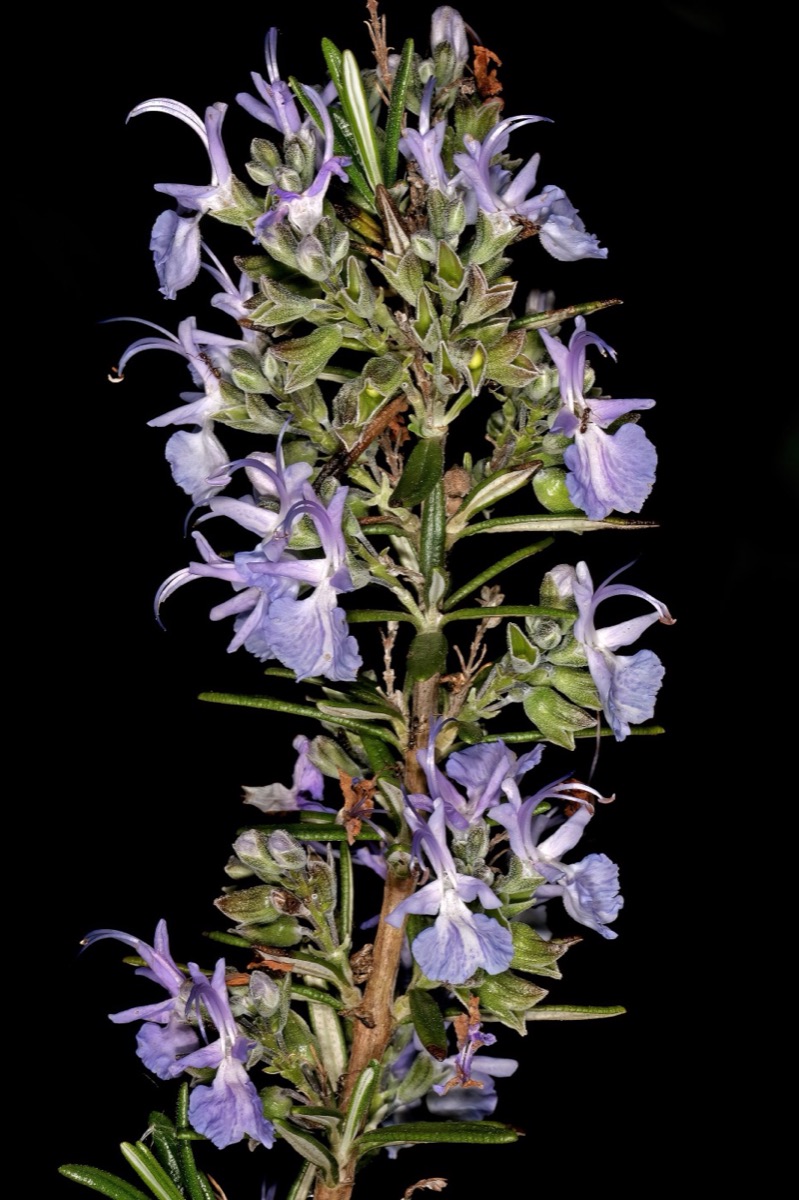
Horticultural guidance only. This site does not provide medical advice, doses or treatment plans. Written and edited by the Herb Ledger editorial team. Photo: : SAplants · CC BY-SA 4.0 · Wikimedia Commons

Continue