Thyme
百里香 Thymus vulgaris · Lamiaceae
A lean-soil herb: rich ground makes soft leaves, while sun, grit and restraint make the aroma.
The lean-soil rule
Thyme is one of the herbs where kindness backfires. PFAF describes it on dry slopes and rocky ground, on clay or limestone soils, and notes that it can grow in nutritionally poor ground (PFAF). Rich compost and regular watering produce soft, leafy growth with less scent.
The practical rule is lean soil, sharp drainage, full sun and little water. A gravel mulch keeps the stems dry; an open, airy site reduces mildew. Thyme is short-lived in the garden, so take cuttings every summer and replace the woody plants before they collapse.
| Condition | What you get | What to do |
|---|---|---|
| Rich, irrigated soil | Soft leaf, weak aroma | Stop feeding; add grit |
| Lean, gritty soil | Compact growth, stronger scent | Keep it lean |
| Wet winter | Rot and bare patches | Raise the bed or pot |
| Old woody plant | Open centre, few leaves | Take cuttings and replace |
Growing it
Plant thyme in full sun at the front of a border, in a gravel garden or in a raised bed. On heavy soil, add horticultural grit to the planting hole and plant on a slight mound. It grows well in containers, where drainage can be controlled.
Water newly planted thyme until it settles, then sparingly. Shear after flowering to keep the plant compact. In cold, wet climates, take cuttings each summer so you always have young replacement plants.
Harvest and drying
Cut the top 5–8 cm of growth before the flowers open for the best flavour. Individual sprigs can be picked through the season. Avoid cutting into the old woody stems, which are slow to regrow.
Thyme dries quickly and well. Spread sprigs on a rack in a dark, airy room, or dry them in a cool oven with the door ajar. Once crisp, strip the leaves and store them whole in an airtight jar.
- Cut the top 5–8 cm before flowering.
- Dry on a rack, in the dark.
- Strip the leaves when crisp.
- Store whole; crush at use.
Identifying it
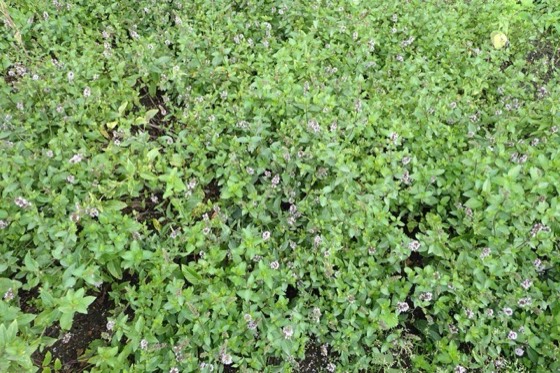
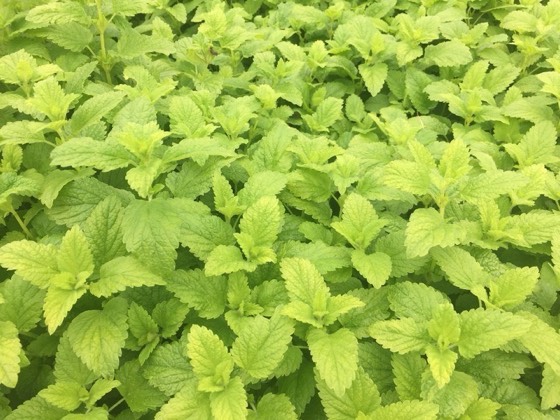
Common thyme has small, opposite, grey-green leaves rolled at the edges and square, woody stems. Flowers are tiny, two-lipped and clustered at the stem tips. The scent is resinous and savoury, not minty.
Lemon thyme, caraway thyme and creeping thymes are different species or hybrids with different scents and habits. They are grown similarly but should not be substituted blindly in a recipe or a remedy.
Traditional context
Thyme is an ancient culinary and preservative herb, and thyme oil has a long history as an antiseptic. The dried leaf in cooking is a different proposition from the concentrated oil, which can irritate skin and is toxic if swallowed in quantity.
PFAF warns against internal use in pregnancy and in inflammatory bowel disease, and advises diluting the oil before topical use. This page covers growing and handling, not a dose or treatment plan.
Cautions
Safety notes for thyme
- Culinary use is generally safe. Essential oil should not be swallowed without qualified guidance.
- PFAF advises against internal medicinal use in pregnancy and during inflammatory disease of the gastrointestinal tract (PFAF).
- Dilute thyme oil in a carrier oil before topical use; undiluted oil can irritate skin (PFAF).
- People sensitive to grasses may react; stop if you notice irritation.
- Avoid medicinal doses during breastfeeding unless a qualified clinician advises otherwise; data are limited.
- This is horticultural information, not medical advice or a dose recommendation.
A starting point for a conversation with a qualified practitioner or pharmacist — not a diagnosis, dose or treatment plan. See the full safety page.
Questions this plant raises
Why does my thyme look woody and bare?
Thyme ages from the centre out. Shear it after flowering and replace plants every three or four years from cuttings.
Can thyme survive winter in a pot?
It can, but wet compost is the danger. Use a gritty mix, raise the pot on feet, and shelter it from relentless rain.
Does thyme need rich soil?
No. Rich soil makes soft, less aromatic growth. Lean, gritty soil in full sun gives the best flavour.
Sources & further reading
- Plants for a Future — Thymus vulgarisPFAF
- NC State Extension — Thymus vulgaris (Thyme)NC State Extension
Accessed for horticultural and safety context. Traditional-use statements are historical and are not evidence of effectiveness. Written and edited by the Herb Ledger editorial team. Read the editorial policy.
More leaves & stems