Lemon balm
香蜂草 Melissa officinalis · Lamiaceae
A soft mint relative whose lemon scent is a harvest clock: strongest before flowering, and easily lost to heat in the drier.
The aroma clock
Lemon balm is harvested for aroma, and the aroma has a clock. The leaves are strongest before the plant flowers; after flowering they are still usable but milder. A hard cut after flowering brings a fresh flush of young, strongly scented leaves.
Drying is the second clock. Lemon balm loses its lemon note quickly in heat, so dry it in a dark, airy room rather than a warm oven. If the dried leaf smells like hay, the temperature was too high or the harvest was too late.
| Stage | Aroma | Action |
|---|---|---|
| Spring growth | Clean, strong lemon | Light cut to encourage bushing |
| Before flowering | Peak | Main harvest |
| After flowering | Milder | Cut back for a fresh flush |
| Hot drying | Flat, hay-like | Dry cool and dark instead |
Growing it
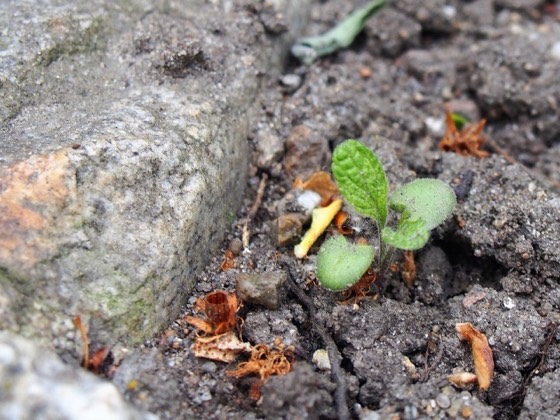
PFAF gives USDA zone 4–8 and describes lemon balm on waste ground and disturbed soil, preferring well-drained ground in sun or semi-shade (PFAF). It is easy from seed and self-sows politely enough to be useful, but can become a nuisance in a small bed.
Cut the plant back by half after flowering to force fresh growth. It dies back in cold winters and returns from the crown in spring. Divide clumps every three years to keep them vigorous and stop the centre dying out.
Harvest and drying
Pick leaves before the plant flowers, when the lemon scent is cleanest. Take the top 10–15 cm of young growth, using scissors rather than pulling, and harvest in the morning. A light cut every few weeks keeps the plant productive.
Dry whole stems in a dark, airy place, then strip the leaves. Lemon balm loses its aroma quickly when heated, so dry it at room temperature rather than in a warm oven. Store in small jars and replace the stock each season.
- Cut the top 10–15 cm before flowering.
- Harvest in the morning.
- Dry cool and dark, not in an oven.
- Strip leaves; store in small jars.
Identifying it
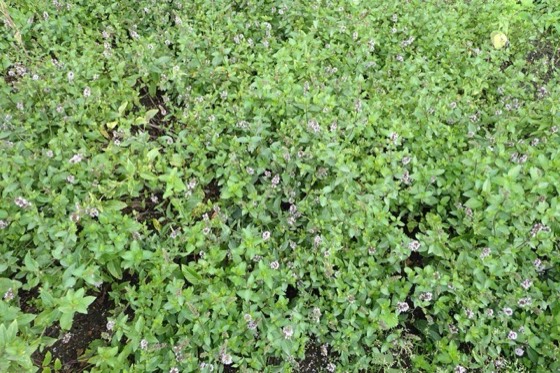
The leaves are opposite, ovate, toothed and slightly hairy, with a bright lemon smell when crushed. Stems are square, as in all mints. Small white or pale yellow flowers appear in the leaf axils in summer.
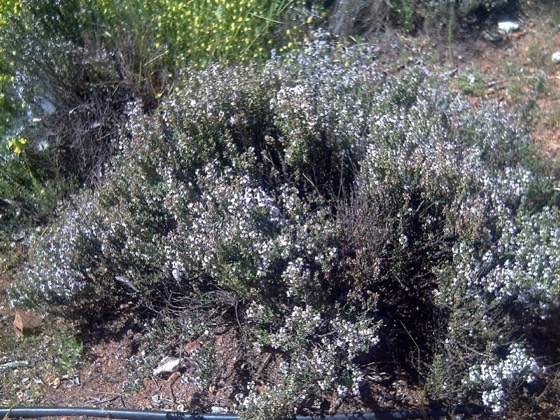
It can be confused with other lemon-scented plants, including lemon verbena and lemon thyme, which have different leaf shapes and growth habits. All three are grown similarly but are not the same plant.
Traditional context
Lemon balm has a long European history as a calming garden herb, and the name Melissa comes from the Greek word for bee. The flowers are genuinely good for pollinators, which is a practical reason to let some of them open.
Traditional calming uses are not a treatment plan. PFAF advises avoiding it in pregnancy and notes irritation from high concentrations; anyone with a thyroid condition or on sedative medication should ask a clinician before regular use.
Cautions
Safety notes for lemon balm
- Avoid during pregnancy; PFAF advises against use (PFAF).
- High concentrations can irritate skin; use diluted preparations and stop if you react (PFAF).
- Theoretical interaction with thyroid medication; ask a pharmacist before regular use.
- May add to the effect of sedatives; caution with sleep medication and alcohol.
- Safety in breastfeeding is not well established.
- This is horticultural information, not medical advice or a dose recommendation.
A starting point for a conversation with a qualified practitioner or pharmacist — not a diagnosis, dose or treatment plan. See the full safety page.
Questions this plant raises
Does lemon balm spread aggressively?
It self-sows, but it is far less invasive than mint. Remove flower heads if you want to keep it in one place.
Why does my lemon balm have no scent?
Old leaves and dry soil reduce the oil content. Cut the plant back, water it, and use the new growth.
Can I grow it indoors?
Yes, in a bright window with a pot of at least 5 litres. It tends to become leggy, so pinch the tips regularly.
Sources & further reading
- Plants for a Future — Melissa officinalisPFAF
- NC State Extension — Melissa officinalisNC State Extension
Accessed for horticultural and safety context. Traditional-use statements are historical and are not evidence of effectiveness. Written and edited by the Herb Ledger editorial team. Read the editorial policy.
More leaves & stems