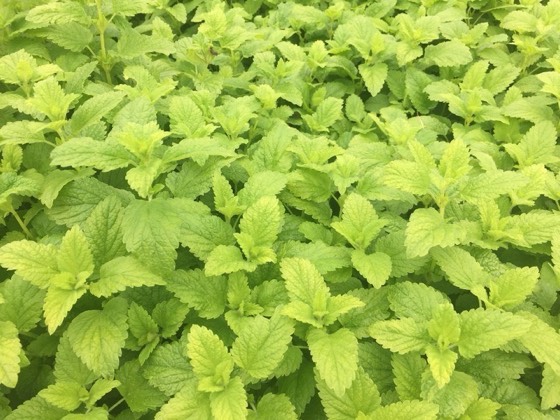
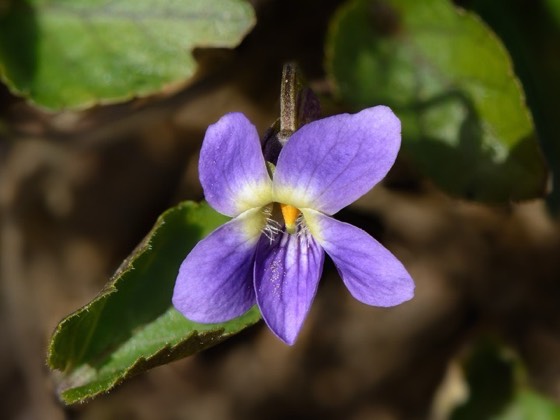
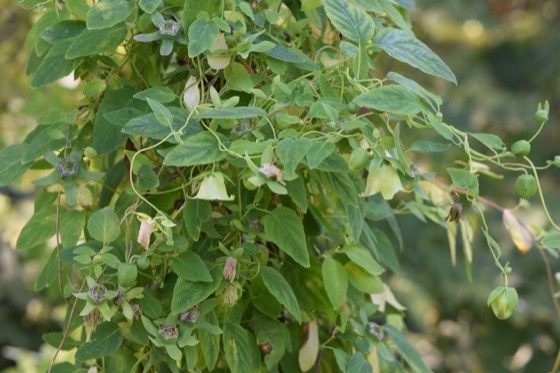
Lemon balm
Quick leaf crop.
- Easy from seed and self-sows politely.
- Cut before flowering for the strongest lemon scent.
- Dry cool, not hot, to keep the aroma.
Three plants for a shaded garden, compared by soil moisture, harvest and the support they need.
The table compares the growing decision only. Safety flags are a prompt to read the profile and speak to a clinician, not a ranking.
| Decision | Lemon balm | Sweet violet | Codonopsis |
|---|---|---|---|
| Habit | Herbaceous perennial | Low spreading perennial | Twining vine |
| Hardiness | 4–8 | 4–8 | 5–9 |
| Light | Sun to part shade | Partial shade | Sun to part shade |
| Water | Medium | Medium | Medium |
| Soil | Well-drained, moderate | Moist, humus-rich | Well-drained loam |
| Harvest | Leaf before flowering | Flowers in early spring | Root in years 2–3 |
| Main failure | Dry soil and leggy growth | Too much shade or rich soil | Dry root zone or no support |
| Safety flag | Pregnancy; skin irritation | Roots and seeds toxic | Limited safety data |
| Best for | A quick leaf crop | Ground cover and scent | Vertical space and a root crop |
Shade tolerance is not the same as dry-shade tolerance. Check both light and soil moisture before choosing.
Shade is not one thing
Lemon balm wants sun or part shade and reasonable drainage. Sweet violet wants moist, humus-rich woodland shade. Codonopsis wants a cool root zone but a support to climb. Putting all three in the same 'shade' corner is how one of them fails.
Check the soil at midday, not just the light. A bed that is shaded but bone-dry suits none of them; a bed that stays wet in winter suits codonopsis least. The right choice starts with the water, then the light.
Quick leaf crop.
Ground cover and scent.
Vertical root crop.
Accessed for horticultural and safety context. The comparison is an editorial synthesis of these sources, not a controlled trial. Compiled and edited by the Herb Ledger editorial team. See the editorial policy.