Codonopsis
党参 Codonopsis pilosula · Campanulaceae
A root crop that climbs: the vine needs a trellis, the root needs cool, drained soil, and the two requirements have to be planned together.
The trellis root
Codonopsis is a twining vine grown for its root. The vine wants something to climb; the root wants cool, moist, well-drained soil. A bare corner with a tripod or a fence can satisfy both, but a windy, exposed site will tangle the growth and dry the root zone.
The support should be in place before the vine starts to run. Thin canes, netting or a wooden obelisk work better than a single thick stake because the tendrils need something to grip. Once the vine is established, it is ornamental as well as useful.
| Need | What to provide | Why |
|---|---|---|
| Support | Trellis, netting or obelisk | Twining stems need a grip |
| Light | Sun with afternoon shade | Cool root zone in hot climates |
| Water | Steady moisture, never waterlogged | Dry soil produces thin roots |
| Root run | Deep, stone-free loam | Cleaner, straighter roots |
Growing it
PFAF gives USDA zone 5–9 and describes codonopsis as a perennial climber to about 1.7 m, on well-drained soil in semi-shade or no shade (PFAF). In a garden, give it sun for part of the day and soil that stays cool and moist without becoming boggy.
Sow seed on the surface in spring, press it in and keep it at room temperature; light helps germination. The seedlings are delicate for the first month. Plant out after the last frost, water through the first summer, and mulch to keep the root zone evenly cool.
Harvest and drying
Lift roots in the second or third autumn after the vines die back. The roots run shallowly and branch, so loosen the soil with a fork well away from the crown before lifting by hand.
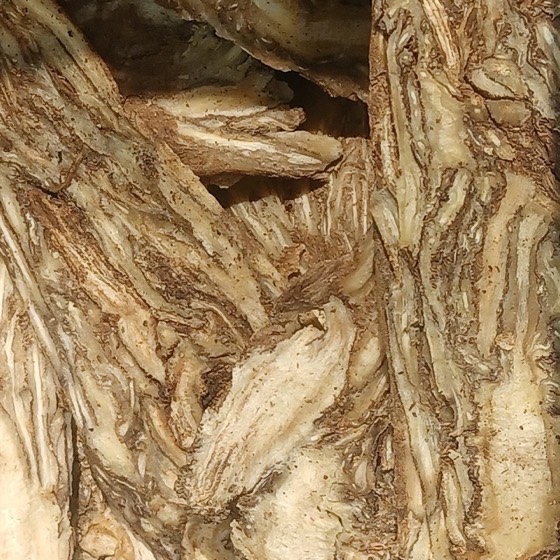
Wash thoroughly, remove the fine rootlets, and dry whole roots in a warm, airy place or slice thickly for faster drying. The dried root is pale, deeply wrinkled and slightly sweet-smelling. Store airtight and check for moisture in humid weather.
- Cut back the vines after autumn die-back.
- Fork well outside the crown and lift by hand.
- Wash and remove the fine rootlets.
- Dry whole or slice; store airtight.
Identifying it
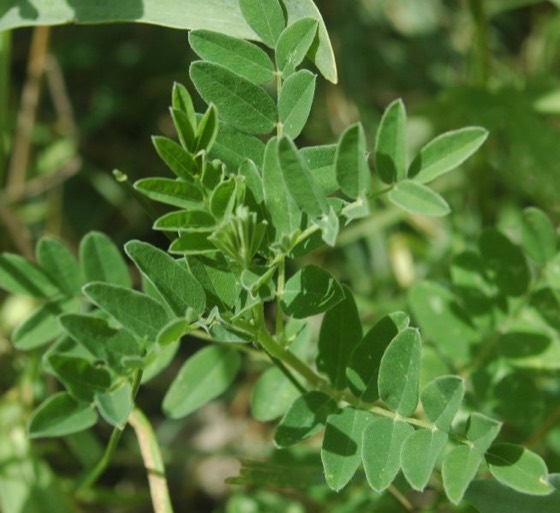
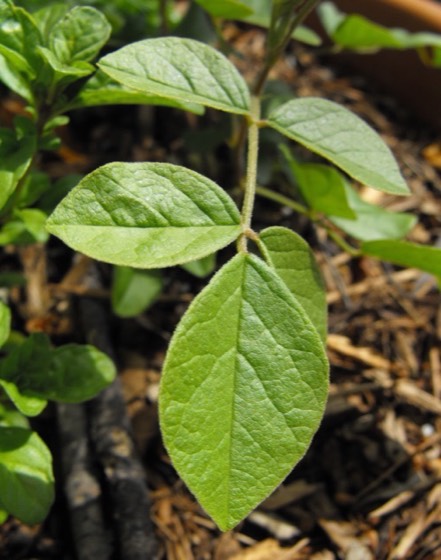
Look for alternate, soft-hairy ovate leaves, tendrils that twine clockwise, and nodding bells that open pale green and flush purple at the tips. The root is long, flexible and strongly wrinkled when dried.
Several Codonopsis species are grown, and garden seed is sometimes sold under a general name. That is acceptable for ornamental growing but not for a plant you intend to use. Keep seed-source records and do not substitute wild-collected roots.
Traditional context
Codonopsis root is a well-known herb in Chinese medicine, often described as a gentler substitute for ginseng in some formulas. That is a historical and clinical tradition, not a claim this site makes or tests.
The vine is worth growing for its own sake: it is vigorous, ornamental and attractive to bumblebees. Treat any use of the root as a separate decision to discuss with a qualified practitioner.
Cautions
Safety notes for codonopsis
- Safety in pregnancy and breastfeeding is not well established; seek professional advice first.
- Theoretical caution with immunosuppressant drugs; ask a pharmacist before combining.
- Do not substitute wild-harvested roots for labelled garden stock.
- PFAF lists no known hazards for the plant, but absence of a warning is not proof of safety in every person.
- This page is horticultural information, not medical advice or a dosage guide.
A starting point for a conversation with a qualified practitioner or pharmacist — not a diagnosis, dose or treatment plan. See the full safety page.
Questions this plant raises
How long does codonopsis take to flower?
Usually in the second year from seed. Vines grown in containers may flower later and produce a smaller root.
Will it climb a wall?
It twines but does not cling. Provide netting, wire or a trellis with something for the tendrils to wrap around.
Can I grow it in a pot?
Yes, in at least 25 litres with a trellis. Keep the root zone cool and do not let the compost dry out completely.
Sources & further reading
- Plants for a Future — Codonopsis pilosulaPFAF
- World Flora Online — Codonopsis pilosulaWorld Flora Online
Accessed for horticultural and safety context. Traditional-use statements are historical and are not evidence of effectiveness. Written and edited by the Herb Ledger editorial team. Read the editorial policy.
More roots & rhizomes