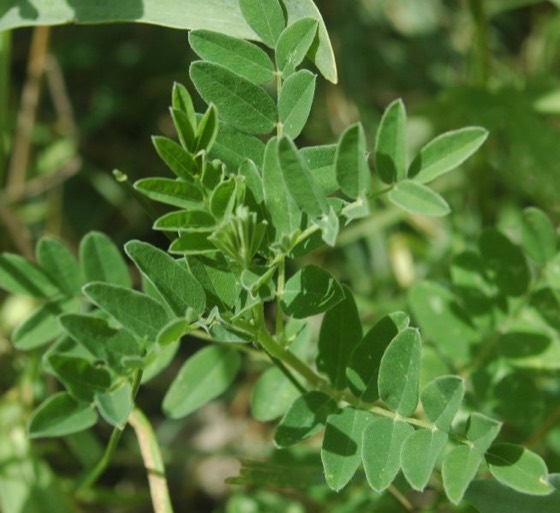
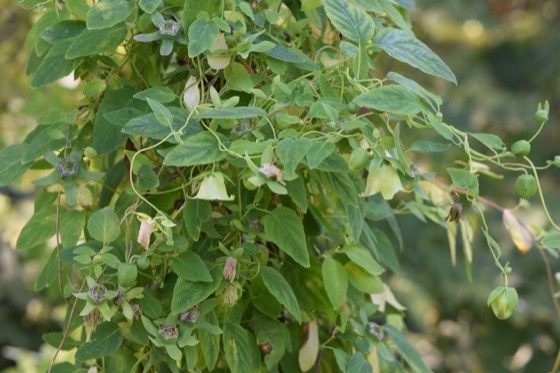
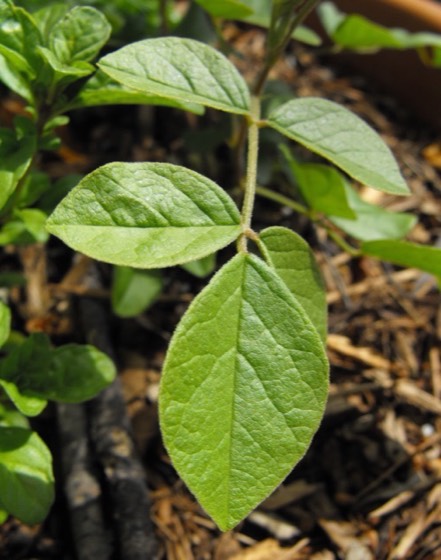
Astragalus
Deep, sunny, patient.
- A deep, stone-free bed in full sun.
- Three or four years before the root is lifted.
- Winter drainage matters more than the zone label.
- No trellis or root barrier, but no wet clay either.
Astragalus, codonopsis and licorice compared by site, time and failure risk — not by medicinal claims.
The table compares the growing decision only. Safety flags are a prompt to read the profile and speak to a clinician, not a ranking.
| Decision | Astragalus | Codonopsis | Licorice |
|---|---|---|---|
| Habit | Clump with taproot | Twining vine | Spreading rhizomes |
| Hardiness | 5–9 | 5–9 | 4–9* |
| Light | Full sun | Sun to part shade | Full sun |
| Water | Low–medium | Medium | Low–medium* |
| Soil | Deep, sandy, neutral–alkaline | Well-drained loam | Deep, well-drained, neutral–alkaline |
| Support / containment | None | Trellis | Root barrier |
| Years to harvest | 3–4 | 2–3 | 3–4 |
| Main failure mode | Wet crown in winter | Root disturbance; dry soil | Wet crown; spreading rhizomes |
| Safety flag | Autoimmune, immunosuppressant, pregnancy | Limited safety data | Blood pressure, potassium, pregnancy |
| Best for | Deep sunny bed, patient grower | Part shade with vertical space | Dedicated dry bed with containment |
* Licorice hardiness and moisture vary by source: PFAF lists 5–9 and moist soil, while many garden guides describe it as drought-tolerant once established. Treat the table as a starting point, not a cultivar-level guarantee.
The test that matters
Astragalus comes from dry, sunny ground; licorice tolerates a wider range of soils but still needs winter water to drain away. A zone 5 garden can grow either in one bed and lose it in another, because winter water is the deciding variable. The RHS describes the mechanism: saturated soil reduces oxygen to the roots and can cause yellowing, root rot and death (RHS).
Before planting, dig a hole in the intended bed, fill it with water, and watch how long it stands after rain. If the bed is a low corner or the soil stays slick for days, raise it. Compost improves structure; a mound lifts the crown; mulch should stop short of the stem. Do not work wet clay.
Deep, sunny, patient.
Part shade with vertical space.
Dedicated dry bed with containment.
Accessed for horticultural and safety context. The comparison is an editorial synthesis of these sources, not a controlled trial. Compiled and edited by the Herb Ledger editorial team. See the editorial policy.