Peppermint
薄荷 Mentha × piperita · Lamiaceae
A runner that needs a pot or a barrier, then rewards repeated cutting with a long season of fresh leaves.
The cut-and-come-again calendar
Peppermint is a cut-and-come-again herb, not a one-off harvest. The first light cut makes a bushier plant; the main cut comes just before flowering, when the oil is strongest; a hard cut after flowering brings a fresh flush of tender leaves. The calendar matters more than the calendar date, because heat and water shift it by weeks.
Leave a few stems to flower if you want bees, but do not let the whole patch go over. A mint that is never cut becomes woody at the base and sparse at the top. A mint that is cut regularly stays productive and easier to manage.
| Stage | What to do | Why |
|---|---|---|
| Spring, 10–15 cm new growth | Take a light top cut | Encourages branching |
| Early summer, before buds open | Main harvest: top 15–20 cm | Aroma is strongest |
| After flowering | Cut back by about half | Prompts a fresh flush |
| Late autumn | Tidy dead stems; leave the crown | Winter survival |
Growing it
PFAF gives USDA zone 3–9 and describes mint on moist soils in sun or semi-shade. In a garden, the first decision is containment: grow peppermint in a large pot with the rim above soil level, or in a bed with a solid root barrier. Runners travel, and a tidy clump becomes a patch if you let it.
Water steadily; dry soil produces thin, tough leaves. Cut the stems back after the first flush to encourage fresh growth, and divide congested clumps every two or three years. Rich soil is fine for leaf production, but too much nitrogen makes soft growth with less aroma.
Harvest and drying
Cut stems just before the flower buds open, in the morning after dew has dried. Use sharp scissors and take the top 15–20 cm, leaving the lower stem to regrow. Do not harvest in the heat of the day, when the leaves are limp and the oil is volatile.
Use the leaves fresh, or dry them in a dark, airy room. Strip the leaves from the stems after drying; whole leaves keep their aroma better than crushed ones. Store in an airtight jar away from light and heat.
- Cut the top 15–20 cm before flowering.
- Harvest in the morning, after dew.
- Dry in the dark with good airflow.
- Strip the leaves and store airtight.
Identifying it
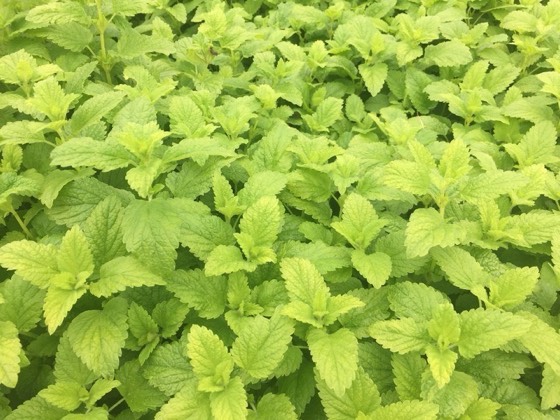
Peppermint has square stems, opposite pairs of toothed, pointed leaves with a purple tinge, and a strong menthol smell when rubbed. It rarely sets viable seed because it is a sterile hybrid, so spread is entirely by runners.
Spearmint, apple mint and lemon balm are close relatives with a similar habit. They are not interchangeable in scent or strength. If you inherit an unidentified mint, crush a leaf and smell it before deciding what to do with it.
Traditional context
Peppermint has been used in European herbal practice for digestive complaints for centuries, and menthol is now a common flavour and topical ingredient. The essential oil is far more concentrated than a leaf tea and carries different risks.
Keep culinary and concentrated extract use separate, and do not apply strong menthol preparations to the face of a baby or young child. This page covers growing and handling, not a dose or a treatment plan.
Cautions
Safety notes for peppermint
- Avoid high doses or essential oil during pregnancy; PFAF notes that a close relative can cause abortion in large amounts (PFAF).
- People with gallstones, gallbladder inflammation, hiatal hernia or reflux should consult a clinician before consuming peppermint (MSK).
- Do not swallow essential oil without qualified guidance; it is toxic in overdose and should be kept away from children.
- Do not apply concentrated menthol or peppermint oil to the face of an infant or young child; it can cause breathing problems.
- Peppermint oil may affect felodipine, cyclosporine and drugs metabolised by several CYP enzymes; ask a pharmacist before combining (MSK).
- This is horticultural information, not medical advice or a dose recommendation.
A starting point for a conversation with a qualified practitioner or pharmacist — not a diagnosis, dose or treatment plan. See the full safety page.
Questions this plant raises
How do I stop mint taking over?
Plant it in a pot with the rim above soil level, or use a root barrier deeper than the runner zone. Pull runners as soon as they appear.
Why is my mint leggy and pale?
Usually too much shade or a pot that has dried out. Cut it back hard, water, and move it into better light.
Can I harvest in the first year?
Yes, lightly. Let the plant establish for six weeks, then take the top third. A hard cut in late spring encourages bushier growth.
Sources & further reading
Accessed for horticultural and safety context. Traditional-use statements are historical and are not evidence of effectiveness. Written and edited by the Herb Ledger editorial team. Read the editorial policy.
More leaves & stems