Peppermint
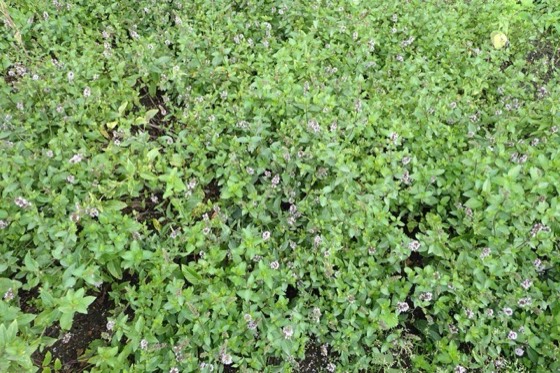
Moist container.
- Grow it in a pot with the rim above soil level.
- Cut the top 15–20 cm before flowering.
- Dry cool and dark to keep the menthol aroma.
Three Lamiaceae leaves with very different water, containment and pruning needs — compared for a small garden.
The table compares the growing decision only. Safety flags are a prompt to read the profile and speak to a clinician, not a ranking.
| Decision | Peppermint | Lemon balm | Sage |
|---|---|---|---|
| Life cycle | Hardy perennial | Hardy perennial | Short-lived perennial |
| Hardiness | 3–9 | 4–8 | 5–9 |
| Light | Sun to part shade | Sun to part shade | Full sun |
| Water | Medium to high | Medium | Low |
| Soil | Rich, moist | Well-drained, moderate | Well-drained, alkaline |
| Containment | Pot or root barrier | Self-sows; remove heads | Prune; replace old plants |
| Harvest | Leaf before flowering | Leaf before flowering | Leaf through summer |
| Main failure | Runners take the bed | Dry soil and leggy growth | Winter wet and old wood |
| Safety flag | Pregnancy; reflux; gallstones | Pregnancy; skin; sedatives | Thujone; pregnancy; seizures |
| Best for | A moist container | A quick lemon leaf | A dry, sunny border |
Lamiaceae includes many lookalikes. Confirm the species before using a leaf as a culinary herb.
The water and containment split
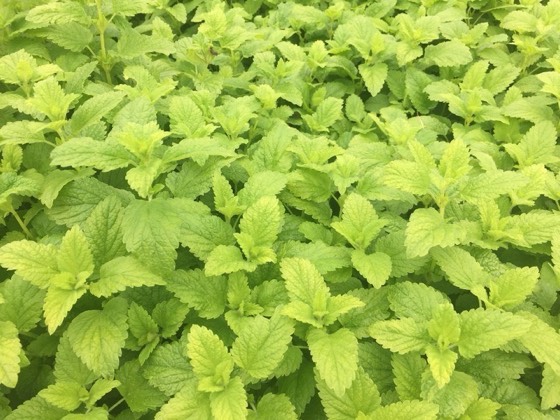
All three are mint-family plants, but they do not want the same bed. Peppermint is a runner that wants moisture; lemon balm is a softer perennial that self-sows; sage is a woody Mediterranean subshrub that resents wet feet. Planting them together guarantees that one is unhappy.
The practical plan is to separate them by water and containment: mint in a pot or behind a barrier, lemon balm in a moist but drained edge, sage on a gritty mound in full sun. Pruning also differs: cut mint and lemon balm back for fresh growth; prune sage lightly into green wood and replace it when it becomes leggy.
Moist container.
Quick lemon leaf.
Dry border.
Accessed for horticultural and safety context. The comparison is an editorial synthesis of these sources, not a controlled trial. Compiled and edited by the Herb Ledger editorial team. See the editorial policy.