Field guide 11
What actually kills herbs in a wet, cold winter
Frost is the visible cause, but saturated crowns, freeze-thaw, cold roots and winter sun do most of the damage. Each has a different fix.
01Frost gets blamed; water gets the job done
A herb that turns brown after a cold snap looks frost-killed, but frost is often the final insult rather than the cause. A plant that has spent weeks in saturated soil has already lost roots to oxygen starvation. A crown that has been heaved by repeated freezing and thawing has already broken its contact with the soil. A pot that froze solid has already killed the fine roots that take up water.
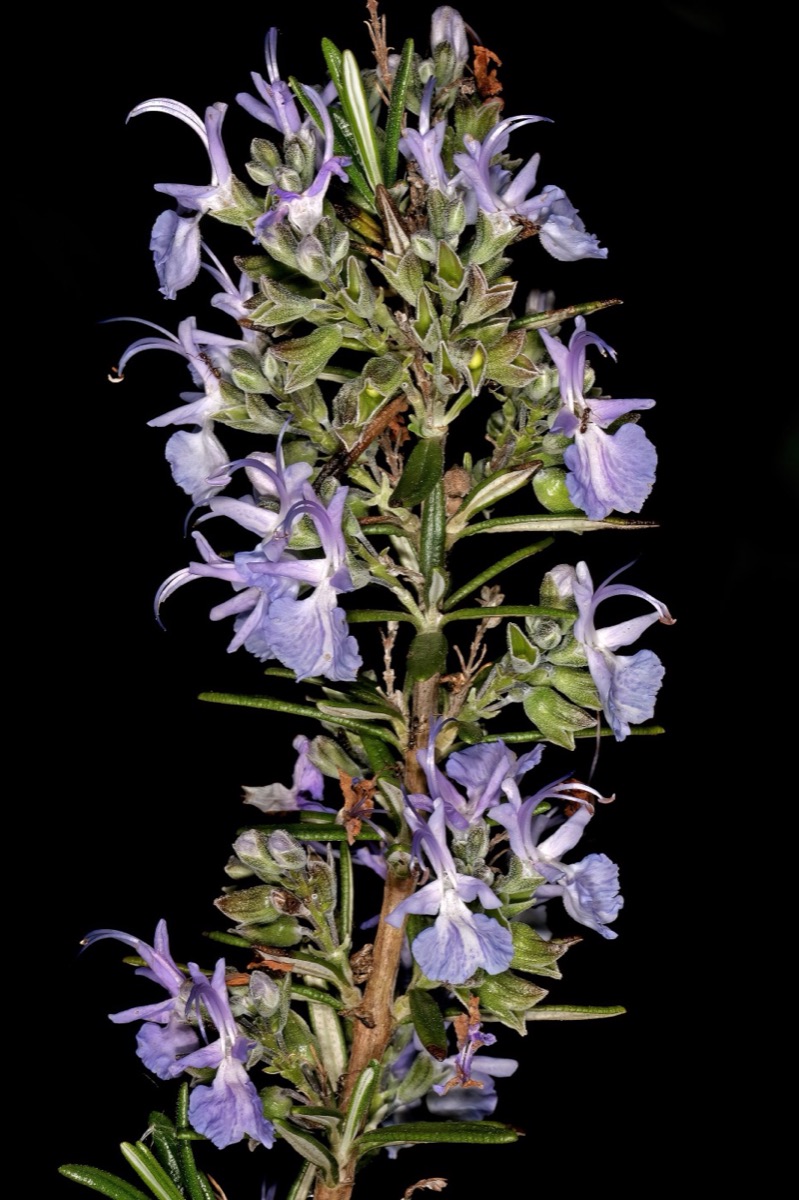
The practical distinction is between cold and wet-cold. A dry, cold winter is hard on tender plants, but many hardy herbs survive it. A wet, cold winter is harder on the dry-side plants — rosemary, lavender, thyme, sage and oregano — because their roots and crowns are sitting in water when they are least able to cope.
02Killer one: a saturated crown
Roots need oxygen. In waterlogged soil, the air spaces fill with water, roots stop respiring and rot begins. The crown — the point where stems meet roots — is especially vulnerable. A rosemary in heavy clay may look fine through autumn, then collapse in February with a soft, dark base and dead branches.
RHS lists improved drainage, raised beds, organic matter and careful timing as the main responses to waterlogging (RHS). For herbs, the first move is to plant dry-side species on a slope, a raised bed or a gritty mound. The second is to keep mulch and fallen leaves away from the crown. A wet mulch pressed against a stem is an invitation to rot.
Do not “fix” winter wet by digging in sand alone. Sand in a clay soil can create a sump unless drainage is improved. Add organic matter, raise the planting level and, where water truly stands, install drainage or choose a different plant.
03Killer two: freeze-thaw heaving
Water expands when it freezes. In repeated freeze-thaw cycles, the soil surface can lift and drop, pushing shallow-rooted plants partly out of the ground. The roots tear or lose contact with the soil, and the crown dries out even though the ground is wet. Small plants, newly planted perennials and anything with a shallow root ball are most exposed.
Check after a hard freeze, especially on bare soil. If a crown has lifted, press it back gently and firm the soil around it. A light, airy mulch applied after the ground has cooled helps buffer the surface, but a thick wet layer can do more harm than good. Keep mulch off the crown itself.
Autumn planting has a trade-off. Planting early enough to root before winter is better than planting late and hoping. If you must plant late, protect the root ball with a temporary mulch or a cloche, and check it through the first winter.
04Killer three: cold, wet roots in a pot
A container is the most exposed place in the garden. The root ball can freeze from all sides, and a pot standing in a saucer can hold water for weeks. The plant may survive the air temperature and still die because its roots were frozen or waterlogged.
Raise pots on feet so water drains freely. Empty saucers before winter. Group pots together and wrap the outer ones with hessian, bubble wrap or a second pot for insulation — but do not seal the drainage holes. Move tender species under cover before the first hard frost. For hardy plants, a sheltered wall is often better than a warm room, because winter warmth can break dormancy too early.
Do not assume a bigger pot is automatically safer. A large pot holds more water and takes longer to dry; in a wet winter, that can be worse than a smaller pot that drains freely. Drainage and airflow matter more than volume alone.
05Killer four: winter sun and wind
Evergreen herbs continue to lose water through their leaves in winter. If the ground is frozen and the roots cannot replace it, wind and winter sun can dry the plant out. This is desiccation, not frost damage, and it often shows as brown leaf tips and scorched sides on rosemary, lavender and bay.
A shelter belt, a windbreak or a position against a wall reduces the loss. But winter sun on a south-facing wall can also warm bark and trigger premature activity before a hard freeze returns. The aim is shelter from wind without a hot, exposed microclimate that breaks dormancy. For containers, move them to a sheltered, bright spot rather than a dark shed.
Do not hard-prune woody herbs in autumn. Leaving healthy stems provides some protection and gives you material to assess in spring. Remove dead or diseased wood, but wait until the risk of severe frost has passed before cutting into live growth.
06The autumn audit
| Check | Failure sign | Action |
|---|---|---|
| Water standing after rain | Puddles lasting more than a day | Raise the bed, improve drainage, or move dry-side plants |
| Crown buried by mulch | Soft, dark stem base | Pull mulch back; keep the crown exposed |
| Pot sitting in a saucer | Sour smell, soggy compost | Empty the saucer; raise the pot on feet |
| Bare, exposed soil | Crown lifted after frost | Press back, firm gently, add airy mulch after cold sets in |
| Late feeding | Soft new growth before frost | Stop feeding by late summer; let the plant harden |
| Dead or diseased stems left | Blackened patches spreading | Remove diseased material; do not compost it |
Walk the garden after the first serious rain and again after the first hard frost. Most winter losses announce themselves in autumn. A plant that is already sitting wet in November is unlikely to be saved by a fleece jacket in January.
07Plants that forgive wet, and plants that do not
Match the plant to the winter your garden actually has, not the one on the label. Most Mediterranean herbs are adapted to dry summers and sharp drainage; they tolerate cold better than wet feet. Moisture-loving herbs tolerate wet soil but still need some air at the roots.
| Dry-side herbs | Moist-side herbs | Marginal in wet-cold |
|---|---|---|
| Rosemary, lavender, thyme, sage, oregano | Mint, lemon balm, nettle, codonopsis, astragalus | Licorice, French tarragon, some sages |
| Plant on a slope or raised bed; add grit; keep crowns dry | Plant in moisture-retentive soil with drainage; do not drown | Try in a raised bed or a large pot; expect losses |
“Hardy” is a rating for an established plant in appropriate soil, not a guarantee for a new plant in a wet hollow. If your garden holds water in winter, the most reliable solution is to change the planting level or choose a different herb — not to add more mulch and hope.
Sources & further reading
- RHS — Waterlogging and flooding solutionsRHS
- RHS — Herbs: growing and harvestingRHS
- RHS — Herbs in containersRHS
- RHS — Soil typesRHS
Horticultural guidance only. This site does not provide medical advice, doses or treatment plans. Written and edited by the Herb Ledger editorial team. Photo: : SAplants · CC BY-SA 4.0 · Wikimedia Commons

Continue