Field guide 08
Planning a herb garden that survives winter
Site, water, spacing, quantities and a first-year plan. A bed layout built around plant needs rather than a pretty picture.
01Start with the site
Before you choose a single plant, spend a day watching the site. Where does the sun fall at 9 a.m., noon and 4 p.m.? Where does water stand after rain? Which corner is sheltered from wind, and which bakes? A herb garden that ignores these questions becomes a collection of struggling plants in attractive pots. RHS puts sun and well-drained, moisture-retentive soil at the top of the list (RHS).
Most culinary and medicinal herbs want at least six hours of direct sun. Moisture lovers such as mint, nettle and schisandra tolerate part shade. No herb in this index thrives in deep, dry shade. If that is what you have, grow the shade-tolerant few in containers and put the sun lovers somewhere else.
02Group by water, not by prettiness
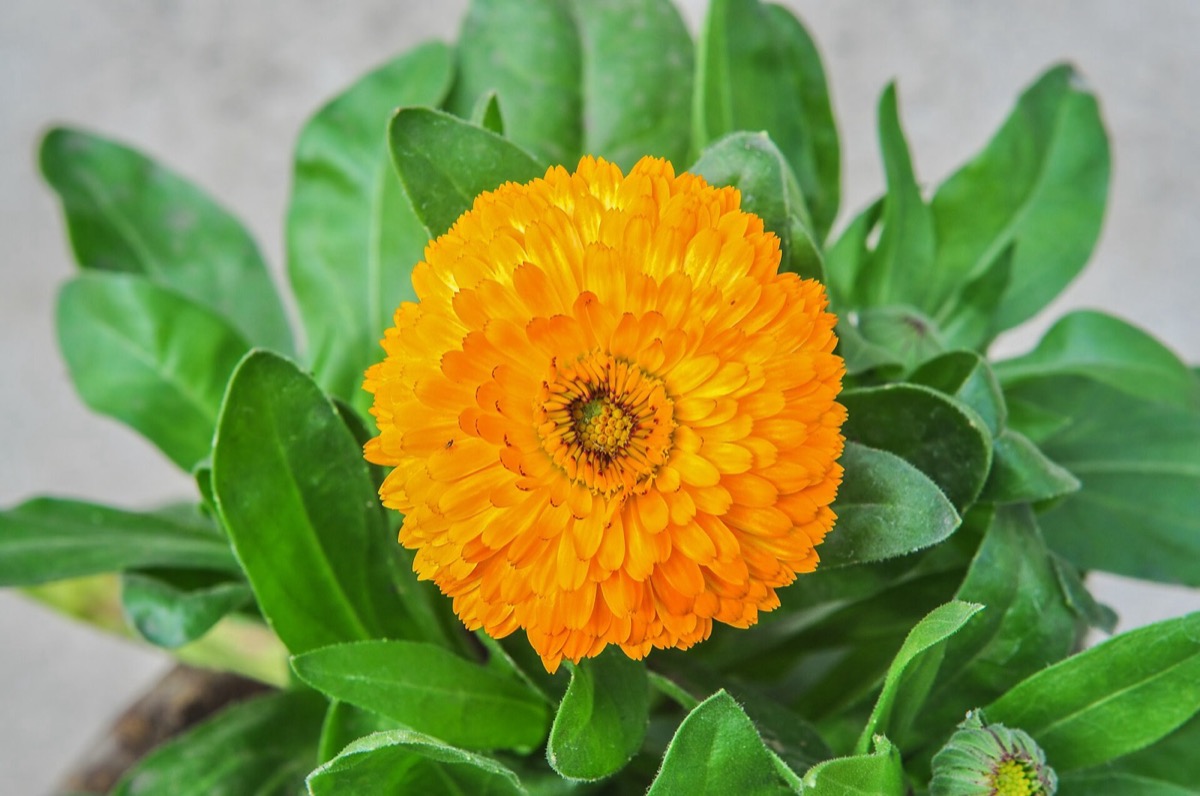
The most common design mistake is grouping by colour or height. Group by water and drainage instead. A dry bank can hold rosemary, thyme, lavender, oregano and sage. A moist edge can hold mint, lemon balm, nettle and schisandra. The middle ground suits chamomile, calendula, fennel and most of the roots.
Within a group, use height to layer: low thyme and oregano at the front, sage and lavender in the middle, fennel and elecampane at the back. Leave paths wide enough to kneel and harvest without compacting the beds.
03A bed plan that survives winter
Design for the dormant season as well as the peak. Evergreen structure comes from rosemary, lavender, sage and thyme. Herbaceous plants disappear, so mark their crowns with a label or a short cane. A bed that looks full in July can look empty in January, and that is normal.
| Site | Plant this | Keep out |
|---|---|---|
| Full sun, free-draining | Rosemary, lavender, thyme, oregano, sage, yarrow | Mint, nettle, schisandra |
| Full sun, moist soil | Mint, lemon balm, fennel, calendula, chamomile | Lavender, thyme, licorice |
| Part shade, moist | Sweet violet, codonopsis, dong quai, nettle | Rosemary, lavender, oregano |
| Container on a sunny wall | Rosemary, thyme, sage, ginger, turmeric | Large trees and vigorous vines |
04How much to plant
One healthy plant is usually enough for a household’s culinary use. A single mint can supply a family; three mints will take over the bed. For drying, a row of five or six plants gives a useful jar without turning the garden into a farm. Roots need more space and more time: a block of nine astragalus plants is a three-year project, not a quick crop.
Start small and expand. A 2 × 3 metre bed with eight well-chosen plants will out-produce a scattered collection twice the size. Keep a record of what you actually used, and plant less of what you did not.
05Pollinators and habitat
Let some plants flower. Lavender, oregano, thyme, yarrow, calendula and fennel are excellent for bees and hoverflies, and the garden is better for them. A small patch of nettle supports several butterfly species, provided it is sited away from paths and handled with gloves.
Leave a shallow water source and some undisturbed ground for overwintering insects. A herb garden that is tidy to the point of sterility is a less resilient garden.
06The first-year plan
In year one, focus on structure and soil. Build the beds, improve drainage, plant the evergreens and start a few easy annuals from seed. Do not attempt every root crop in the first season. Learn how water moves through your site and how much time you actually have.
- Autumn: clear the site, test drainage, add compost and grit, mark the beds.
- Spring: plant rosemary, lavender, sage and thyme; sow calendula, chamomile and fennel.
- Summer: harvest leaves and flowers, keep a log, take cuttings as insurance.
- Autumn: lift first-year roots, mulch, label crowns, plan the next expansion.
Year two is for the slower plants: the roots, the vines and the trees. Year three is when the garden starts to give back more than it asks for. That is the point of the plan.
Sources & further reading
Horticultural guidance only. This site does not provide medical advice, doses or treatment plans. Written and edited by the Herb Ledger editorial team. Photo: : Joydeep · CC BY-SA 3.0 · Wikimedia Commons

Continue