Oregano
牛至 Origanum vulgare · Lamiaceae
A sun-and-lean-soil herb with a trade-off: the best leaf flavour comes just before flowering, but the flowers are what the bees want.
The flower trade-off
Oregano is at its most aromatic just before the flower buds open. That is also the moment the plant is about to feed pollinators. You do not have to choose the whole patch: cut some stems for the kitchen at the bud stage, and leave others to flower.
After flowering, cut the whole plant back to encourage a fresh flush of leaves. The second flush is milder but useful. In a long season, you can harvest twice and still leave a patch for bees.
| Stage | Leaf flavour | Pollinators | Action |
|---|---|---|---|
| Before buds open | Strongest | Not yet | Main harvest |
| Full flower | Fading | Peak | Leave some; cut some |
| After flowering | Mild | Past | Cut back for a flush |
| Autumn | Moderate | Late bees | Light harvest |
Growing it
PFAF gives USDA zone 4–10 and describes oregano on dry grassy areas and scrub, usually on calcareous soils (PFAF). It wants full sun and lean, well-drained soil. Rich feeding produces lush growth with less scent.
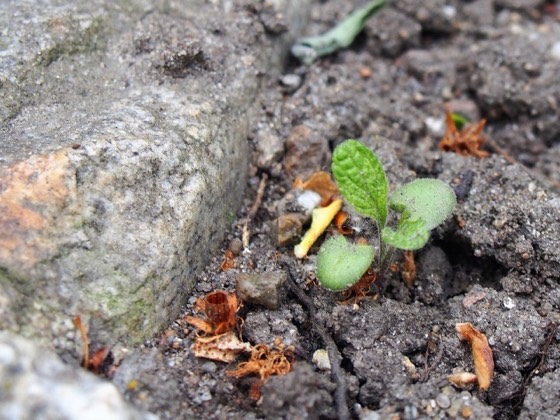
Start from seed, division or cuttings in spring. Space plants 30–45 cm; the clumps spread steadily. Cut the whole plant back after flowering to encourage a fresh flush, and divide every few years to keep it young.
Harvest and drying
Harvest stems just as the flower buds form, when the oil is concentrated. Cut in the morning and use the leaves fresh, or bundle the stems and dry them in a dark, airy place.
Dried oregano is more intense than fresh and is the better choice for slow-cooked dishes. Strip the leaves once fully dry and store them whole in an airtight jar. Crushing them releases aroma, so do it at the last moment.
- Cut stems as the buds form.
- Harvest in the morning.
- Dry in bundles, in the dark.
- Store whole; crush at use.
Identifying it
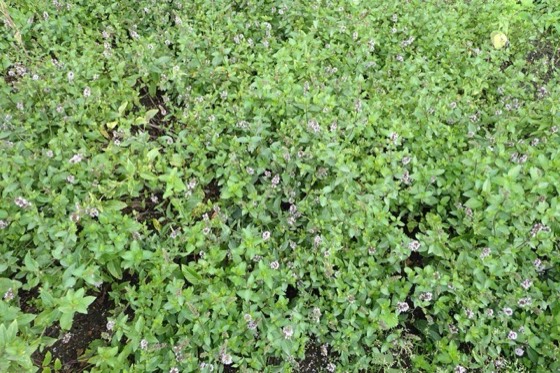
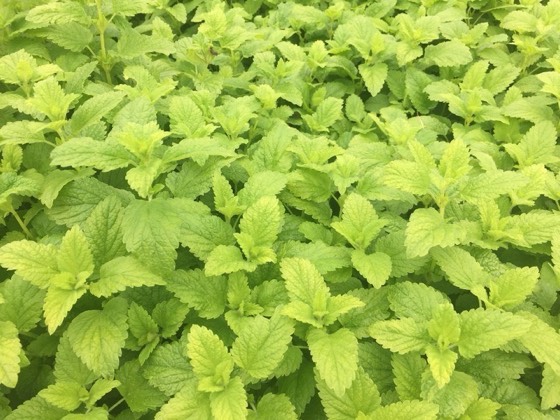
Oregano has opposite, oval, slightly hairy leaves and square stems. The flowers are small, pink to purple, in dense clusters at the stem tips. Sweet marjoram is a close relative with a softer, sweeter scent and a less hardy habit.
Garden centres often sell unnamed oregano seedlings. If the scent is weak when you rub a leaf, it will stay weak in the kitchen. Choose a named culinary cultivar.
Traditional context
Oregano is primarily a culinary herb, and its traditional medicinal uses are secondary to its role in Mediterranean cooking. The dried leaf is a seasoning, while oregano oil is a concentrated product with different safety considerations.
PFAF lists no known hazards for the plant, but essential oil should not be swallowed without qualified guidance. This page covers growing and handling, not a dose or treatment plan.
Cautions
Safety notes for oregano
- Culinary use is generally safe; essential oil should not be swallowed without qualified guidance.
- Avoid medicinal doses in pregnancy and breastfeeding unless a qualified clinician advises otherwise.
- May increase bleeding risk in high doses; caution with anticoagulants and before surgery.
- Lamiaceae allergy is possible; stop if you react.
- Do not substitute essential oil for the herb in cooking or on the skin without advice.
- This is horticultural information, not medical advice or a dose recommendation.
A starting point for a conversation with a qualified practitioner or pharmacist — not a diagnosis, dose or treatment plan. See the full safety page.
Questions this plant raises
Why is my oregano not fragrant?
Usually too much shade, too much water or too much fertility. Lean, sunny conditions produce the strongest oil.
Should I let oregano flower?
The flowers are excellent for pollinators, but leaf flavour peaks just before they open. Cut some stems early and leave others to bloom.
Is oregano invasive?
It spreads by runners but is easy to control in a border. Divide clumps every few years to stop the centre dying out.
Sources & further reading
- Plants for a Future — Origanum vulgarePFAF
- NC State Extension — Origanum vulgareNC State Extension
Accessed for horticultural and safety context. Traditional-use statements are historical and are not evidence of effectiveness. Written and edited by the Herb Ledger editorial team. Read the editorial policy.
More leaves & stems