Nettle
荨麻 Urtica dioica · Urticaceae
A vigorous patch rather than a pampered herb: cut it young, wear gloves, and keep it away from paths.
The patch, not the plant
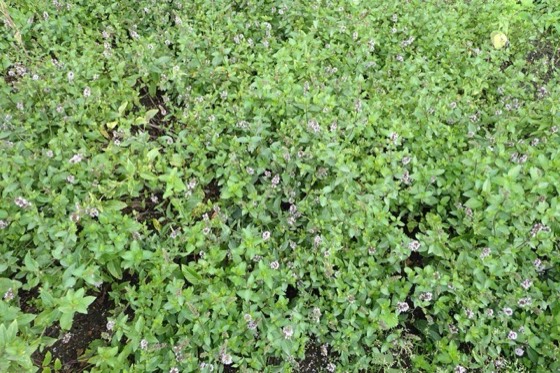
Nettle is a weed you manage, not a herb you cosset. It spreads by rhizomes and seed, and it prefers rich, moist soil. Decide where the patch will live before planting: a dedicated corner, a bottomless container, or a rough strip behind a mown edge. A nettle patch supports butterflies and early pollinators, but it is a poor neighbour for a path or a small border.
The containment plan is the garden plan. A mowing strip limits seedlings; cutting before seed stops the spread; thick gloves and long sleeves make the harvest possible. If you cannot give it a defined edge, grow something else.
| Placement | Why it works | Watch |
|---|---|---|
| Dedicated corner | Wildlife value and easy spring harvest | Cut before seed |
| Bottomless container | Contains runners | Water and feed; roots need depth |
| Near a path | Convenient for picking | Stings visitors and pets |
| Open lawn | Easy to mow | Do not harvest sprayed or dog-walked ground |
Growing it
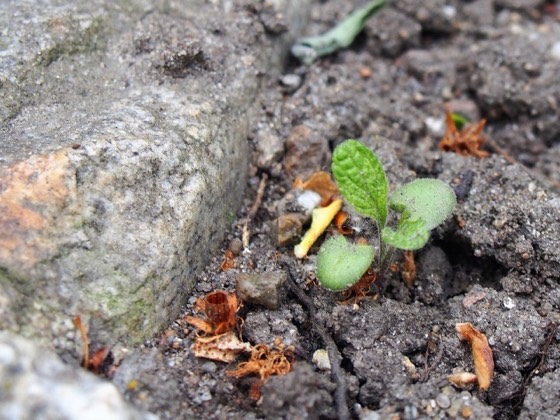
PFAF gives USDA zone 3–10 and describes nettle on rich, moist ground in sun or semi-shade. Sow seed in spring or lift a rooted runner; both establish quickly. Water through dry spells in the first season, then let the patch fend for itself. Rich soil produces soft, tall growth; a rough, leaner site is easier to manage.
Cut the patch back after flowering to encourage fresh tops and to stop seed. If you want wildlife, leave a few plants to flower and set seed in a controlled corner. Nettle is dioecious, so seed production needs both male and female plants; a patch usually has both.
Harvest and handling
Cut the top 10–15 cm of young growth in spring, before the plants flower, using gloves and scissors. PFAF notes that the sting is destroyed by heat or thorough drying, but fresh leaves should never be handled bare-handed or eaten raw. It also warns that only young leaves should be used, because older leaves develop gritty cystoliths that can irritate the kidneys.
Wash the tops, then blanch or steam them. For drying, spread the leaves thinly in a dark, airy place or use a dehydrator at low heat. Store dried leaves in an airtight jar. Do not harvest from roadsides, sprayed ground or dog-walking routes.
- Dress in gloves and long sleeves.
- Cut only the top 10–15 cm of spring growth.
- Wash, then blanch, cook or dry thoroughly.
- Label the jar and store away from light.
Identifying it
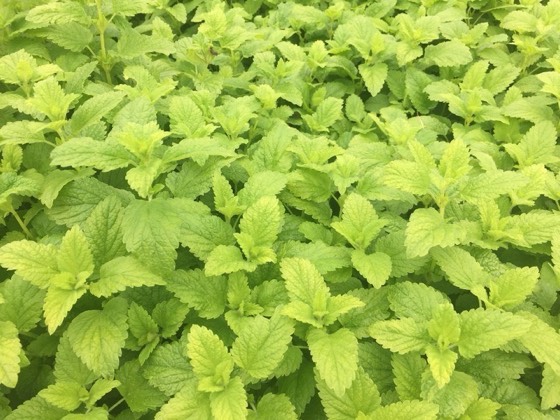
Nettle has opposite, strongly serrated leaves with a heart-shaped base, square stems and clusters of tiny green flowers. The stinging hairs are visible on stems and leaf undersides. Dead nettles (Lamium) look similar but do not sting and are a different plant.
Do not confuse nettle with other serrated-leaved plants in a wild patch. If you cannot identify it with certainty, leave it alone. The sting is a warning, not an identification feature to rely on.
Traditional context
Nettle has a long history as a spring vegetable, a fibre plant and a folk remedy. The young tops are used like spinach in many cuisines, and nettle soup is a genuine seasonal dish rather than a health product.
Medicinal claims are outside this site's scope. PFAF and MSK note possible interactions with diabetes and blood-pressure medicines, diuretics and sedatives, so treat regular use as something to discuss with a clinician.
Cautions
Safety notes for nettle
- Fresh hairs sting; wear gloves and never eat raw leaves. Cooking or thorough drying destroys the sting.
- Use only young leaves. PFAF notes that older leaves develop cystoliths that can irritate the kidneys (PFAF).
- Avoid during pregnancy unless a qualified clinician advises otherwise (PFAF).
- May add to the effect of diabetes or blood-pressure medication; monitor and ask a clinician (PFAF).
- MSK notes possible additive effects with diuretics or blood-pressure drugs in animal studies; clinical relevance is unknown (MSK).
- PFAF notes possible interaction with central nervous system depressants such as alcohol or morphine; ask a pharmacist.
- Kidney disease warrants professional advice, especially with concentrated leaf preparations.
- Do not harvest from contaminated ground, roadsides or sprayed areas.
- This is horticultural information, not medical advice or a dose recommendation.
A starting point for a conversation with a qualified practitioner or pharmacist — not a diagnosis, dose or treatment plan. See the full safety page.
Questions this plant raises
How do I get rid of nettles?
Persistent digging of the rhizomes, repeated cutting before flowering, and mulching. A single cut will not kill the patch.
Does cooking remove the sting?
Yes. Blanching, steaming or drying destroys the stinging hairs. Raw leaves should not be eaten.
Can I grow nettles in a pot?
Yes, in a large pot with a saucer to contain runners. It is one of the few herbs that tolerates poor, wet conditions.
Sources & further reading
Accessed for horticultural and safety context. Traditional-use statements are historical and are not evidence of effectiveness. Written and edited by the Herb Ledger editorial team. Read the editorial policy.
More leaves & stems