Motherwort
益母草 Leonurus cardiaca · Lamiaceae
A self-sowing mint that arrives uninvited and stays: give it a rough corner, cut it back, and read the pregnancy and heart-medication cautions.
The volunteer problem
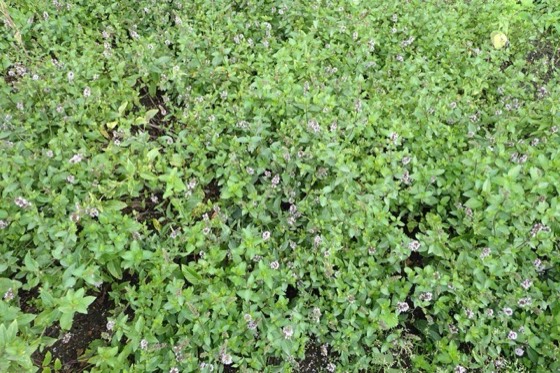
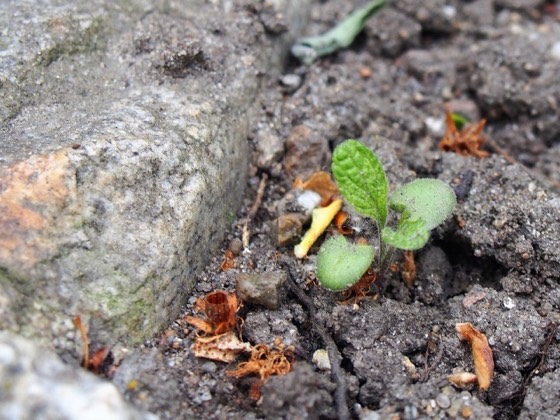
Motherwort self-sows freely, and PFAF lists it as having weed potential. That is not a reason to reject it, but it is a reason to decide where it is allowed to live. A wild corner, a rough bank or a patch behind a mown edge suits it; a small formal border does not. Once it is happy, it will return without being asked.
The management plan is simple: cut the plant back after its first flush of flowers, and deadhead most of the seed heads if you want to keep it in bounds. Leave one or two plants to set seed if you want the patch to renew itself. It also spreads by division, so lift and replant the outer pieces every few years.
| Garden | Risk | Plan |
|---|---|---|
| Wild corner | Self-sows freely | Cut back after flowering; keep a seed head or two |
| Small border | Crowds neighbours | Deadhead or remove before seed |
| Path edge | Tall, floppy growth | Stake or move it back |
| Container | Manageable but thirsty | Water steadily; cut back hard |
Growing it
PFAF gives USDA zone 3–7 and describes motherwort on hedge banks and waste ground, usually on gravelly or calcareous soils. In a garden it tolerates poor soil, sun or semi-shade, and dry spells. That toughness makes it easy, but it also makes it floppy in rich, irrigated beds. Do not overfeed.
Sow seed in spring or autumn, or divide established clumps. Space plants about 45 cm apart. Cut the plant back after the first flowering to encourage a second flush and a tidier habit. Stake tall stems in exposed sites, and remove seed heads before they shatter if you want control.
Harvest and handling
Cut the flowering tops in summer, when the lower flowers are open and the upper buds are still tight. Harvest in dry weather, in the morning. Use scissors and take the top 15–20 cm. The plant is bulky, so do not crowd the drying rack.
Dry the tops in small bundles or on a rack in a dark, airy place. Once dry, strip the leaves and flowers from the coarse stems and store them in an airtight jar away from light. PFAF notes that skin contact can cause dermatitis in sensitive people and that the essential oil can cause photosensitisation; wear gloves if you react.
- Cut the top 15–20 cm when the lower flowers open.
- Bundle loosely or spread on a rack.
- Dry in the dark with good airflow.
- Strip the leaves and flowers; store airtight.
Identifying it
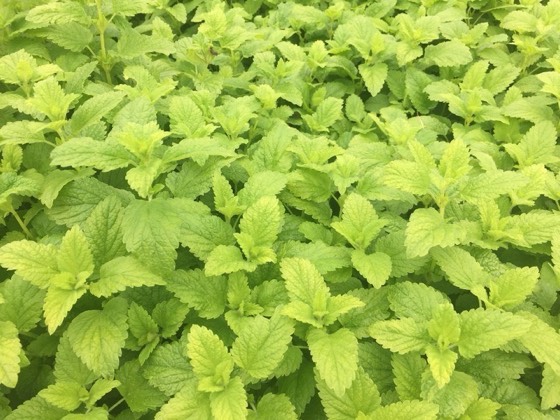
Motherwort has opposite, deeply lobed leaves with a rough texture, square stems and whorls of small, two-lipped pink to purple flowers in the leaf axils. The whole plant has a strong, slightly musty mint smell.
Other Leonurus species and some similar mints can look close. Do not harvest from a wild patch without a positive identification, and do not confuse it with other tall, pink-flowered Lamiaceae.
Traditional context
Motherwort's common name reflects a long traditional association with childbirth and women's health, and the plant appears in both European and Chinese traditions. That history is not a recommendation, and the plant has real cautions around pregnancy and bleeding.
The Latin name cardiaca reflects traditional cardiac use, but this is not evidence that it treats a heart condition. If you take heart medication or have a bleeding disorder, treat the plant as a herb to discuss with a clinician rather than a garden remedy.
Cautions
Safety notes for motherwort
- Do not use during pregnancy; PFAF describes it as a uterine stimulant (PFAF).
- May increase bleeding risk; caution with anticoagulants and before surgery.
- Traditional use includes cardiac claims. If you take heart or blood-pressure medication, ask a clinician before using it; interactions are not well established.
- Skin contact can cause dermatitis in sensitive people, and the essential oil can cause photosensitisation (PFAF).
- Safety during breastfeeding is not well established; seek professional advice.
- This is horticultural information, not medical advice or a dose recommendation.
A starting point for a conversation with a qualified practitioner or pharmacist — not a diagnosis, dose or treatment plan. See the full safety page.
Questions this plant raises
Does motherwort spread?
Yes, it self-sows freely. Deadhead before the seeds ripen if you want to keep it contained.
Why is my motherwort flopping?
Too much shade, too much nitrogen, or a very exposed site. Stake it or cut it back to encourage sturdier regrowth.
Can I grow it in a small garden?
It is a tall, spreading plant. It suits a wilder patch or the back of a border, not a small formal bed.
Sources & further reading
Accessed for horticultural and safety context. Traditional-use statements are historical and are not evidence of effectiveness. Written and edited by the Herb Ledger editorial team. Read the editorial policy.
More leaves & stems