Elecampane
土木香 Inula helenium · Asteraceae
A tall, architectural daisy with a big aromatic root: give it room, lift it in the second or third autumn, and divide the clump before it crowds itself.
The big root
Elecampane is a large plant in every direction: tall flower stems, broad felted leaves and a thick, branching root. The root is the crop, and it needs room to develop. A cramped clump gives smaller, twistier roots and more work at lifting.
The plant also spreads by division. Lift and divide established clumps every few years, replanting the vigorous outer pieces and composting the woody centre. That keeps the patch productive and stops the root mass from becoming a solid, unworkable lump.
| Year | What is happening | Action |
|---|---|---|
| Year 1 | Rosette and young root | Weed, water, do not crowd |
| Year 2 | Large leaves; root thickens | Lift or leave for a third year |
| Year 3 | Big root; clump crowded | Lift and divide |
| After lifting | Outer pieces are vigorous | Replant; compost the centre |
Growing it
PFAF gives USDA zone 4–8 and describes elecampane in fields, waysides and copses, often on moist soils in shade (PFAF). In a garden it likes a deep, moisture-retentive soil in full sun, and it tolerates clay better than most herbs in this index.
Sow seed in spring, barely covered, and keep it moist. Divide established clumps in spring or autumn every few years. Stake tall flower stems in exposed sites, and cut the plant back after flowering if you do not want seed.
Harvest and drying
Lift roots in autumn of the second or third year, after the foliage has died back. The root is thick and branching, so use a fork and work around the clump rather than through it.
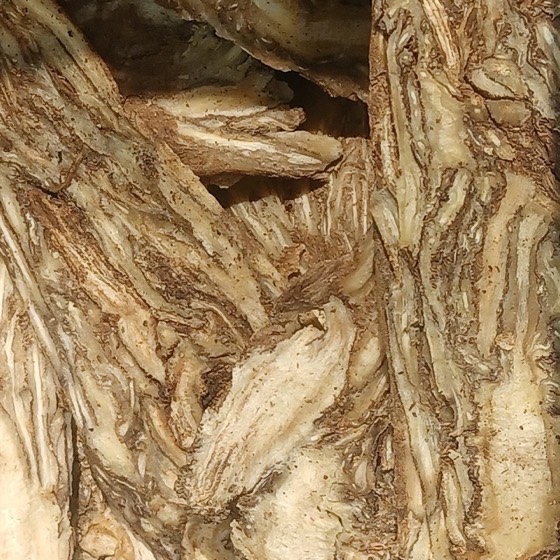
Wash and cut the roots into slices or short pieces. They are resinous and aromatic; dry at the lowest setting of a dehydrator with strong airflow, turning once. Store in an airtight jar in the dark. The dried root keeps its smell for a year or more.
- Cut back the foliage after autumn die-back.
- Fork around the clump and lift the root mass.
- Wash and slice or cut into short pieces.
- Dry at low heat with airflow; store airtight.
Identifying it
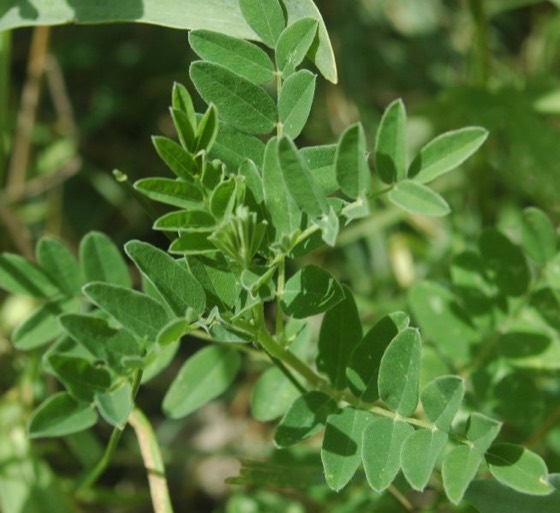
The leaves are large, toothed and softly hairy underneath, giving the plant a grey-green, almost felted look. Flowers are yellow, thistle-like daisies on tall stems in mid to late summer. The root is brown outside and pale inside, with a sharp camphor smell when cut.
It is a member of the daisy family, which includes many plants that cause contact dermatitis. Wear gloves if your skin is sensitive, and wash tools after dividing.
Traditional context
Elecampane has a long European medicinal history, particularly as a cough herb, and the root was once candied and eaten. Those traditions are context, not a recommendation.
PFAF warns of allergic reactions and a potential to interfere with diabetes and blood-pressure treatment. This page covers cultivation and handling, not a dose or treatment plan.
Cautions
Safety notes for elecampane
- Asteraceae allergy is common; avoid if you react to daisies, ragweed or chrysanthemums (PFAF).
- PFAF notes a potential to interfere with diabetes and high blood-pressure treatment; ask a clinician before regular use (PFAF).
- Contains sesquiterpene lactones; avoid prolonged high-dose use.
- Avoid in pregnancy and breastfeeding unless a clinician advises otherwise; safety data are limited.
- Stop and seek advice if you develop a rash, swelling or breathing difficulty.
- This is horticultural information, not medical advice or a dose recommendation.
A starting point for a conversation with a qualified practitioner or pharmacist — not a diagnosis, dose or treatment plan. See the full safety page.
Questions this plant raises
How tall does elecampane get?
Flowering stems commonly reach 1.5–1.8 m in good soil. In poorer, drier sites they stay shorter.
Can I grow it in a small garden?
It is a big plant for a small space. One clump at the back of a border works; it is not a container herb.
When should I divide it?
Spring or early autumn, once the plant has finished flowering. Replant the vigorous outer pieces and compost the woody centre.
Sources & further reading
- Plants for a Future — Inula heleniumPFAF
- NC State Extension — Inula heleniumNC State Extension
Accessed for horticultural and safety context. Traditional-use statements are historical and are not evidence of effectiveness. Written and edited by the Herb Ledger editorial team. Read the editorial policy.
More roots & rhizomes