Burdock
牛蒡 Arctium lappa · Asteraceae
A biennial grown for a long taproot: the crop is decided by soil depth and stones, not by the size of the leaves.
The taproot problem
Burdock sends down a taproot fast, and that root is the crop. Stones, a hard pan or a shallow bed produce a forked, awkward root that is hard to clean and dry. The first job is not sowing; it is making 30–40 cm of loose, stone-free soil.
A deep raised bed is the most reliable garden solution. A container can work if it is genuinely deep, but a shallow pot gives a short, twisted root. Forked roots are still edible; they are simply harder to prepare and less impressive to lift.
| Site | What happens | Best choice |
|---|---|---|
| Deep, stone-free bed | Straight root; easy to clean | Best |
| Shallow or stony soil | Forked, gritty root | Sieve the top 30–40 cm |
| Deep raised bed | Control over texture and depth | Reliable |
| Shallow pot | Short, twisted root | Only as an experiment |
Growing it
PFAF gives USDA zone 4–8 and describes burdock on dry, open, stony slopes and riverbanks. In a garden it wants full sun and deep, loose soil; it is a heavy feeder, so compost the bed the season before. Sow fresh seed direct in spring, about 1 cm deep, and thin to 30–45 cm.
Keep the bed watered through dry spells in the first two months. Remove flower heads before they set burrs if you do not want it self-sowing everywhere. The burrs cling to clothing and animal fur, so cut them before they ripen.
Harvest and drying
Lift first-year roots in late autumn, before the ground freezes. A deep fork or root lifter makes the job easier. If the plant has already flowered, the root is woody and hollow; compost it and start again.
Scrub thoroughly, peel or scrape the outer skin, and cut into lengths. Burdock oxidises quickly, so drop the pieces into cold water with a squeeze of lemon if you are preparing them for cooking. For drying, slice thinly and dry at low heat until crisp.
- Loosen the soil well outside the row.
- Lift slowly, following the root down.
- Scrub, peel and cut into lengths.
- Use fresh, or slice thin and dry until crisp.
Identifying it
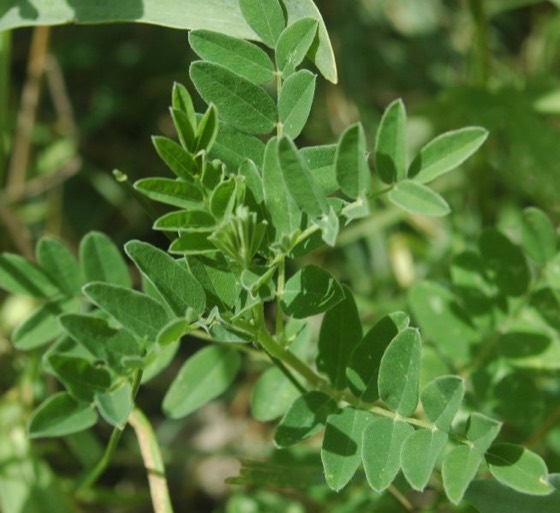
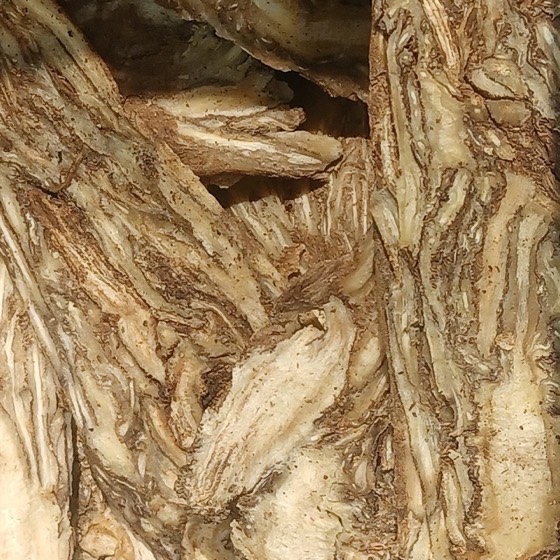
The first-year plant forms a rosette of large, dull green, heart-shaped leaves with wavy edges. In the second year it sends up a branching stem with purple thistle-like flowers and hooked burrs. The root is brown outside and creamy white inside.
Young burdock can be confused with other large-leaved rosettes, including foxglove and some docks. None of those have burdock's combination of leaf shape, hairy undersides and eventual burrs. If you are not certain, do not dig it up to eat.
Traditional context
Burdock root is eaten as a vegetable in Japan (gobō) and has a long folk-medicine history in Europe and Asia. The leaf and root are used in different traditions, and the burrs gave rise to the hook-and-loop fastener.
MSK advises avoiding burdock in pregnancy because it may stimulate the uterus, and notes cross-sensitivity in people allergic to chrysanthemums. A burdock tea has also been found contaminated with atropine, so source matters. This page gives no dose or treatment plan.
Cautions
Safety notes for burdock
- Avoid during pregnancy; MSK notes burdock may stimulate the uterus and increase the risk of premature delivery (MSK).
- Asteraceae allergy is common; people allergic to chrysanthemums may cross-react (MSK).
- May lower blood sugar; caution with diabetes medication and monitor if using it regularly.
- A burdock tea has been found contaminated with atropine; use known, clean sources and avoid random wild harvest (MSK).
- Theoretical diuretic effect; ask a clinician if you have kidney disease or take fluid-balance medication.
- This is horticultural information, not medical advice or a dose recommendation.
A starting point for a conversation with a qualified practitioner or pharmacist — not a diagnosis, dose or treatment plan. See the full safety page.
Questions this plant raises
Why are my roots forked?
Stones, fresh manure or a hard layer in the soil. Sift the top 30–40 cm and avoid digging in manure just before sowing.
Can I grow burdock in a container?
Only in a very deep container, 50 cm or more. A raised bed with loose soil is more reliable.
When does burdock flower?
In its second year. If you want roots, harvest before the flower stem rises; after flowering the root turns woody.
Sources & further reading
- Plants for a Future — Arctium lappaPFAF
- Memorial Sloan Kettering — BurdockMSK
- NC State Extension — Arctium lappa (Burdock)NC State Extension
Accessed for horticultural and safety context. Traditional-use statements are historical and are not evidence of effectiveness. Written and edited by the Herb Ledger editorial team. Read the editorial policy.
More roots & rhizomes