Valerian
缬草 Valeriana officinalis · Caprifoliaceae
A tall meadow perennial with a root that smells stronger than it looks: a two-year wait, then a harvest with a real sedative caveat.
The sleep-root caveat
Valerian is grown for a root that has a pungent, earthy smell — attractive to cats and off-putting to some gardeners. The root is lifted after two or three seasons, washed and sliced. The plant itself is easy; the safety question is not.
NCCIH describes valerian as generally safe for short-term use in most adults, but notes side effects such as headache, stomach upset, mental dullness and vivid dreams, and warns against combining it with alcohol or sedatives (NCCIH). It is not a casual bedtime tea if you drive, operate machinery or take other sedatives.
| Stage | What to do | Why |
|---|---|---|
| Year 1 | Establish the crown; weed and water | Builds the root |
| Year 2–3 | Lift in autumn after die-back | Root at usable size |
| After lifting | Wash, slice, dry at low heat | Preserve without mould |
| Before use | Check sedative and driving cautions | Safety comes first |
Growing it
PFAF gives USDA zone 4–8 and describes valerian on grassland, scrub and woodland edges, on dry or damp soils (PFAF). In a garden it prefers moist, fertile ground and sun or partial shade. It tolerates a range of soils but not a waterlogged crown in winter.
Sow seed in spring or autumn, or divide an established clump. The plant self-sows readily; remove flower heads if you do not want it to move around. Tall stems may need staking in exposed sites. Cut back after flowering to keep the clump tidy.
Harvest and drying
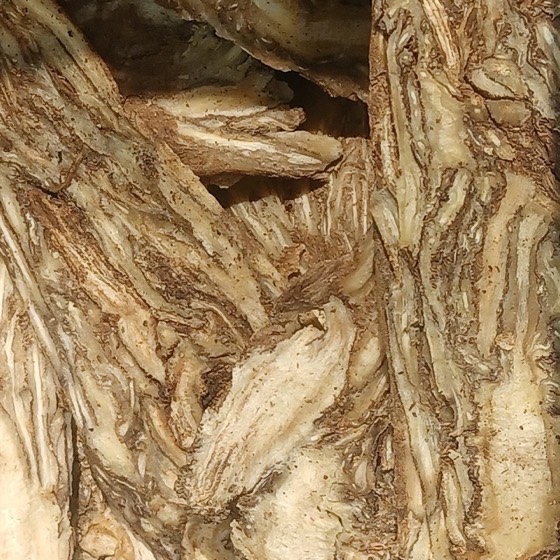
Lift roots in autumn of the second or third year, after the foliage dies back. The root mass is fibrous and tangled, so fork widely and wash it thoroughly. Cut the roots into slices or short pieces; the smell is strong, so work in a ventilated space.
Dry at the lowest setting of a dehydrator, or in a warm, airy room, until the pieces are brittle. Store airtight in the dark; the aroma fades over time. Keep the dried root labelled — it is not interchangeable with other roots.
- Cut back the stems after autumn die-back.
- Fork widely and lift the root mass.
- Wash and slice while fresh.
- Dry at low heat; store airtight.
Identifying it
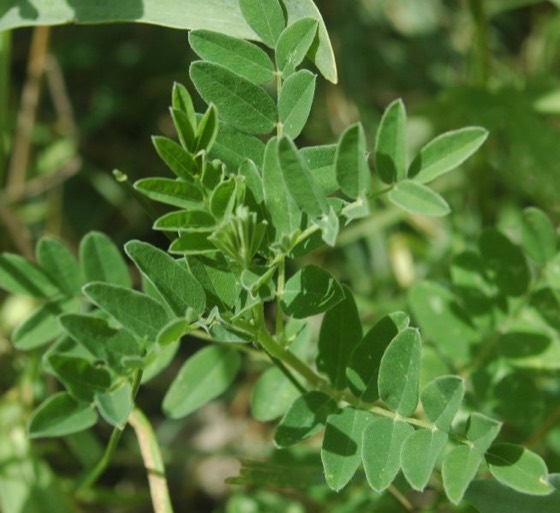
Valerian has opposite, pinnate leaves with lance-shaped leaflets and clusters of small white to pink flowers in summer. The root is a tangled mass of pale, aromatic roots. The scent is the strongest confirmation when the root is cut.
It is not a carrot-family plant, despite the umbel-like flower heads. Still, do not harvest an unknown root from a mixed meadow; grow named plants and keep the label with the dried root.
Traditional context
Valerian has a long European history as a calming and sleep-related herb. NCCIH notes that research is limited and that long-term safety is unknown; it also warns about rare liver injury, mostly in combination with other herbals.
This page covers growing and handling. It gives no dose or treatment plan, and anyone who is pregnant, breastfeeding, driving, or taking sedatives or other medicines should speak to a clinician before using the root.
Cautions
Safety notes for valerian
- Do not combine with alcohol, sedatives or other sleep aids; valerian may add to their effect (NCCIH).
- Do not drive or operate machinery after taking valerian; it may cause drowsiness or mental dullness.
- Side effects include headache, stomach upset, vivid dreams and, rarely, excitability or heart palpitations (NCCIH).
- Little is known about safety in pregnancy and breastfeeding; ask a clinician before use.
- Long-term safety is unknown; PFAF warns that prolonged medicinal use may lead to dependence (PFAF).
- This is horticultural information, not medical advice or a dose recommendation.
A starting point for a conversation with a qualified practitioner or pharmacist — not a diagnosis, dose or treatment plan. See the full safety page.
Questions this plant raises
Why does my valerian root smell so strong?
The aroma is normal for valerian and is strongest in fresh, cut root. Cats may be attracted to it; store dried root sealed.
How long until I can harvest?
Two to three years from seed. Divide established plants to speed up a new patch.
Can I grow it in a container?
It is a tall plant with a fibrous root; a large pot is possible but a moist garden bed suits it better.
Sources & further reading
- Plants for a Future — Valeriana officinalisPFAF
- NCCIH — Valerian: Usefulness and SafetyNCCIH
- Memorial Sloan Kettering — ValerianMSK
Accessed for horticultural and safety context. Traditional-use statements are historical and are not evidence of effectiveness. Written and edited by the Herb Ledger editorial team. Read the editorial policy.
More roots & rhizomes