Marshmallow
药蜀葵 Althaea officinalis · Malvaceae
A soft-leaved marsh mallow with a mucilaginous root: it wants wet feet, a two-year wait, and careful handling of the sticky root.
The mucilage root
Marshmallow root is prized for its mucilage — the slippery, gel-like substance released when the root is cut or soaked. That texture is also the handling challenge: fresh slices are sticky and dry slowly if piled together.
The root is lifted after two or three seasons, washed, scraped and sliced thin. Dry it in a single layer with good airflow. If the pieces feel leathery after cooling, return them to the dryer; soft root will mould in the jar.
| Stage | What to do | Why |
|---|---|---|
| Year 1 | Establish in moist soil | Builds the crown |
| Year 2–3 | Lift after autumn die-back | Root at usable size |
| Fresh root | Scrape and slice thin | Mucilage dries slowly |
| Dry | Single layer, low heat | Prevent mould |
Growing it
PFAF gives USDA zone 3–7 and describes marshmallow on the upper margins of marshes, ditches and grassy banks (PFAF). It wants full sun and moist, rich soil. In a dry garden, water it steadily; in heavy clay, raise the crown above winter water.
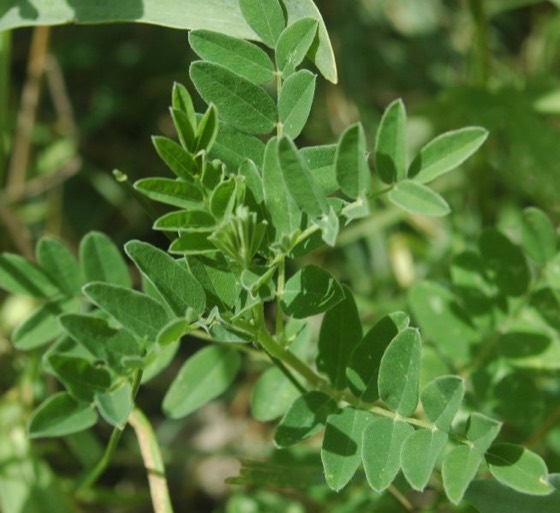
Sow seed in spring or divide established clumps. The plant forms tall stems with soft, lobed leaves and pale pink flowers. Cut it back after flowering if you want a tidier clump; leave some seed heads if you want it to self-sow.
Harvest and drying
Lift roots in autumn of the second or third year, after the top dies back. Fork widely, wash the root, and peel or scrape the outer skin. Slice into thin pieces; they will feel slippery.
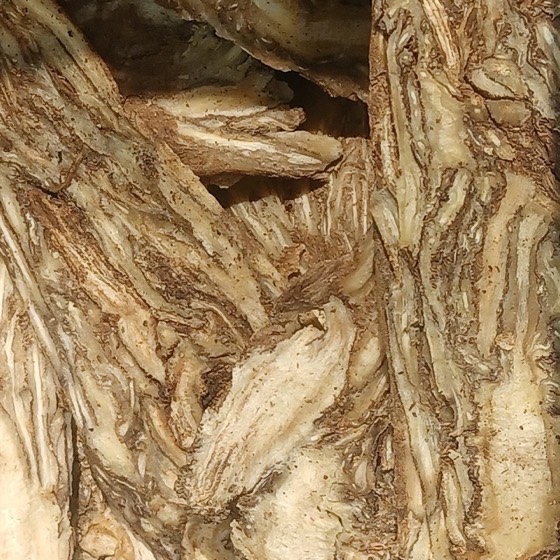
Dry at the lowest setting of a dehydrator, or in a warm, airy room, until the slices snap. Store airtight in the dark. The dried root is pale, fibrous and mildly sweet-smelling.
- Cut back the stems after die-back.
- Fork widely and lift the root.
- Scrape the skin and slice thin.
- Dry until brittle; store airtight.
Identifying it
Marshmallow has soft, velvety, lobed leaves and pale pink five-petalled flowers on tall stems. The root is thick, pale and mucilaginous when cut. It is a mallow, not a marsh-dwelling grass.
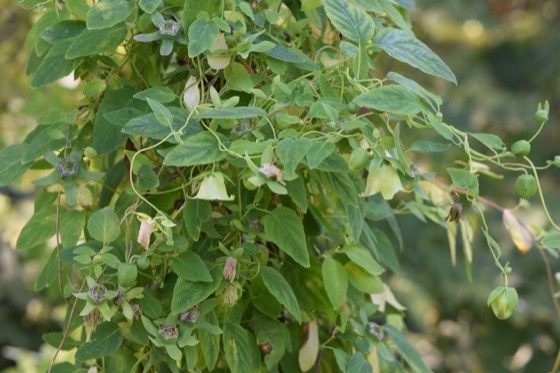
Other mallows and hollyhocks have similar flowers. Do not harvest an unidentified root; grow named stock and keep the label with the dried slices.
Traditional context
Marshmallow root has a long history as a soothing demulcent in European and Middle Eastern traditions. The original marshmallow sweet was made from the root, though modern confectionery no longer uses it.
PFAF reports no documented adverse effects but notes anecdotal allergic reactions and lower blood sugar (PFAF). This page covers growing and handling, not a dose or treatment plan.
Cautions
Safety notes for marshmallow
- Possible allergic reactions in sensitive people; stop if you notice rash or swelling (PFAF).
- Anecdotal reports of lower blood sugar; monitor if you take diabetes medication and ask a clinician.
- Little is known about safety in pregnancy and breastfeeding; seek professional advice before regular use.
- Do not harvest an unidentified mallow root from the wild.
- This is horticultural information, not medical advice or a dose recommendation.
A starting point for a conversation with a qualified practitioner or pharmacist — not a diagnosis, dose or treatment plan. See the full safety page.
Questions this plant raises
Why is my marshmallow root sticky?
The mucilage is the reason the root is used. Slice thin and dry in a single layer; do not pile wet pieces.
Can it grow in ordinary garden soil?
It prefers moist, rich ground. On dry soil, water regularly; on wet clay, raise the crown.
How long until harvest?
Two to three years from seed. Division is faster if you already have a clump.
Sources & further reading
- Plants for a Future — Althaea officinalisPFAF
- World Flora Online — Althaea officinalisWorld Flora Online
Accessed for horticultural and safety context. Traditional-use statements are historical and are not evidence of effectiveness. Written and edited by the Herb Ledger editorial team. Read the editorial policy.
More roots & rhizomes