Field guide 04
How to dry and store herbs
Dry fast, store dark, label everything. A practical method for leaves, flowers, roots and seed — including the test that tells you a jar is safe to close.
01Dry fast, store dark
The goal of drying is to remove enough water that mould cannot grow, while keeping the colour and aroma that make the harvest worth keeping. That means speed, airflow and darkness. The National Center for Home Food Preservation puts the principle plainly: expose leaves, flowers or seeds to warm, dry air, and do not sun-dry if you want to keep flavour and colour (NCHFP).
Harvest in dry weather, early in the day, after dew has lifted. NCHFP suggests gathering most herbs just before the flowers first open, in the bursting-bud stage, and processing them promptly. Shake off insects, remove damaged material, and rinse in cool water; shake off excess moisture before drying. Wet material is a mould risk from the first hour.
02Air drying
Air drying suits leaves, flowers and seed heads. NCHFP recommends a well-ventilated area rather than direct sun, and notes that sturdy herbs such as rosemary, sage, thyme and parsley are the easiest to air-dry in small bundles. Tender, high-moisture herbs — basil, oregano, lemon balm and the mints — dry more reliably in a paper bag with holes punched in the sides.
Hang the bundle upside down, leave space for air to move, and check it every few days. Drying time depends on humidity and leaf thickness: it can be days or a couple of weeks. The test is the same: a leaf should crumble and a stem should break, not bend.
03Dehydrator and oven
A dehydrator gives the most control. NCHFP suggests preheating to 95–115 °F (35–46 °C), with up to 125 °F (52 °C) in humid conditions, and checking after one to four hours (NCHFP). Use the lowest setting that works and keep the vent open so moisture can escape. As a starting point:
| Material | Temperature | Test |
|---|---|---|
| Tender leaves (mint, lemon balm, nettle) | 35–46 °C | Crisp, crumbles easily |
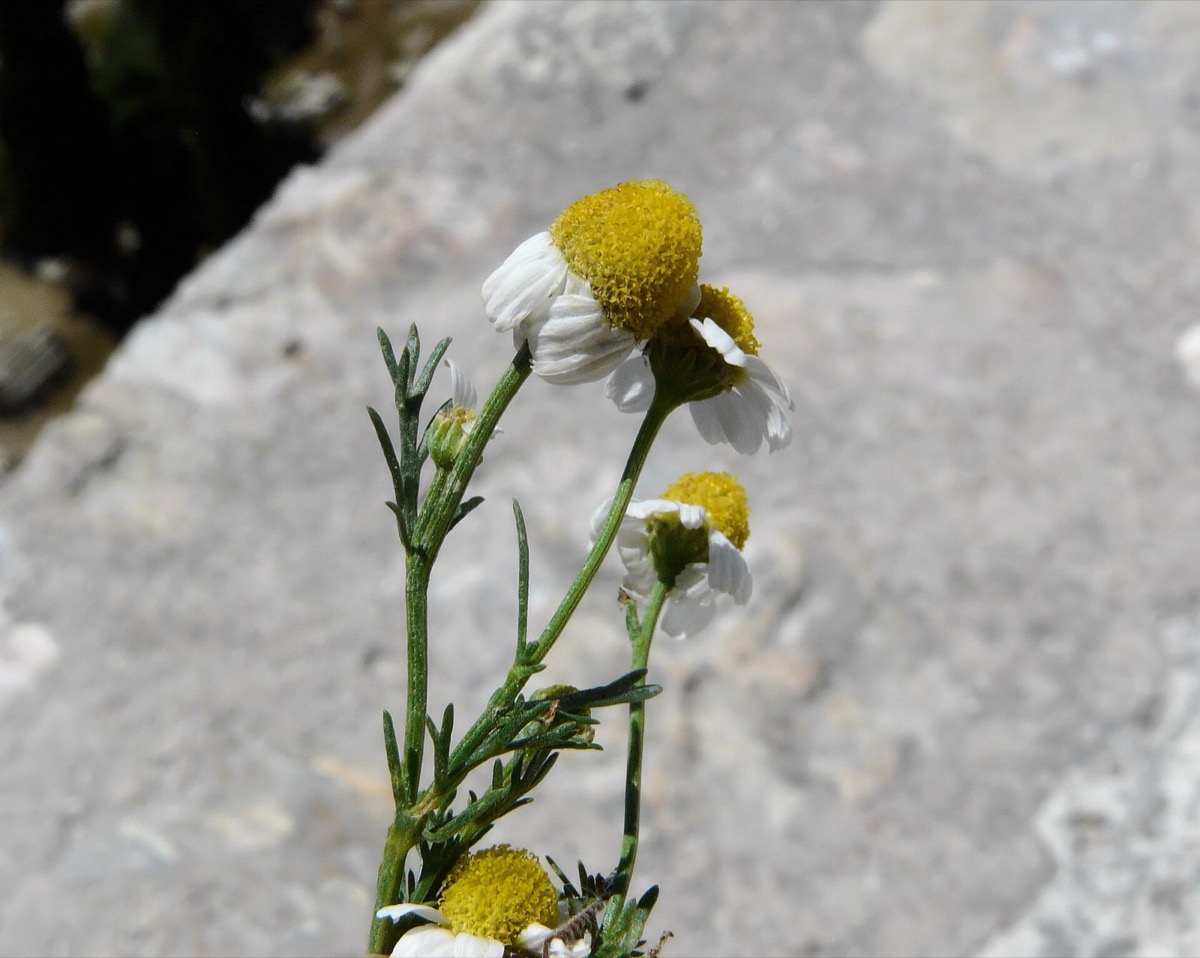
| Flowers (chamomile, calendula, lavender) | 35–46 °C | Papery, not browned |
| Roots and rhizomes (sliced) | 40–46 °C | Snaps, no soft centre |
| Seed heads (fennel, milk thistle) | 35–46 °C | Seed releases freely |
| Berries (goji, schisandra) | 40–46 °C | Leathery, not sticky |
An oven on its lowest setting is a fallback, but most domestic ovens run too hot and too dry. Leave the door ajar with a wooden spoon and check every 20 minutes. If the material browns or smells cooked, the temperature is too high.
04Testing and conditioning
Before you seal a jar, condition the harvest. Put the dried material loosely in a glass jar, close it for 24 hours, then check for condensation on the glass or a soft feel in the material. If either appears, return it to the dryer or the drying rack for another few hours. Repeat until the jar stays dry.
This step catches the pieces that looked dry but still hold moisture in the centre. A jar of apparently dry herbs that grows mould after a week is a wasted harvest and a health risk; compost it and start again.
05Containers and shelf life
Store in airtight glass jars, in a dark cupboard, away from the oven and the kettle. Label each jar with the plant, the part, the garden bed and the date. Whole leaves and roots keep their aroma longer than crushed material; crush or grind at the point of use.
As a practical guide, leaf and flower quality fades within a year; roots and seeds usually keep longer. After that they are not necessarily unsafe, but they are stale. Use the oldest stock first and replace it each season.
06What to throw away
Compost any material with mould, a musty smell, insect frass or discoloured patches. Do not try to salvage a partly mouldy jar by picking out the good pieces; mould filaments run through the material. Do not use herbs that were harvested from a contaminated site, even if they dried perfectly.
Keep dried herbs out of reach of children and pets, and never store them in unlabelled containers. A jar without a label is an anonymous plant, and an anonymous plant is not safe to use.
Sources & further reading
- National Center for Home Food Preservation — Drying herbsNCHFP
- RHS — Herbs: growing and harvestingRHS
Horticultural guidance only. This site does not provide medical advice, doses or treatment plans. Written and edited by the Herb Ledger editorial team. Photo: : Andrea Moro · CC BY-SA 3.0 · Wikimedia Commons

Continue